When you’re thinking about where’s the least painful place to get a fine line tattoo, the good news is this: fine line designs tend to hurt less overall than traditional bold tattoos. But not all skin is created equal. Some areas will make you clench your jaw, while others feel like a tickle from a blunt toothpick.
I’m Olha Po, a cosmetic tattoo artist who’s seen (and heard!) every variation of the pain-scale squeak, wince and sigh. And trust me, there are smarter spots to start if you’re pain-averse but still want a beautiful bit of body art.
Let’s talk tattoo placement, nerve endings and what your skin might say back during and after your fine line tattooing process.
Why Tattoo Placement Matters More Than You Think
Some body parts will make you grip the chair like you’re doing an ab challenge. Others? Surprisingly breezy.
The location of your tattoo plays a massive role in how much discomfort you’ll feel—especially with fine line tattoos, where detail and precision mean longer contact with a single tattoo needle. While fine line work typically uses a single needle (compared to magnum needles or larger needle groupings used in traditional shading or fill), you’re still puncturing the skin, which includes nerve endings and blood vessels.
But here’s the thing: not all skin is created equal. Some areas have more fat, muscle or fewer nerve endings. Some are right over hip bones or elbow joints. And some just seem to light up the pain response no matter how mentally prepared you are.
Here’s what I tell my clients who ask where the least painful place to get a fine line tattoo in Melbourne is: go soft, go fleshy and skip the sharp bones.
Top Spots That Tend to Hurt Less
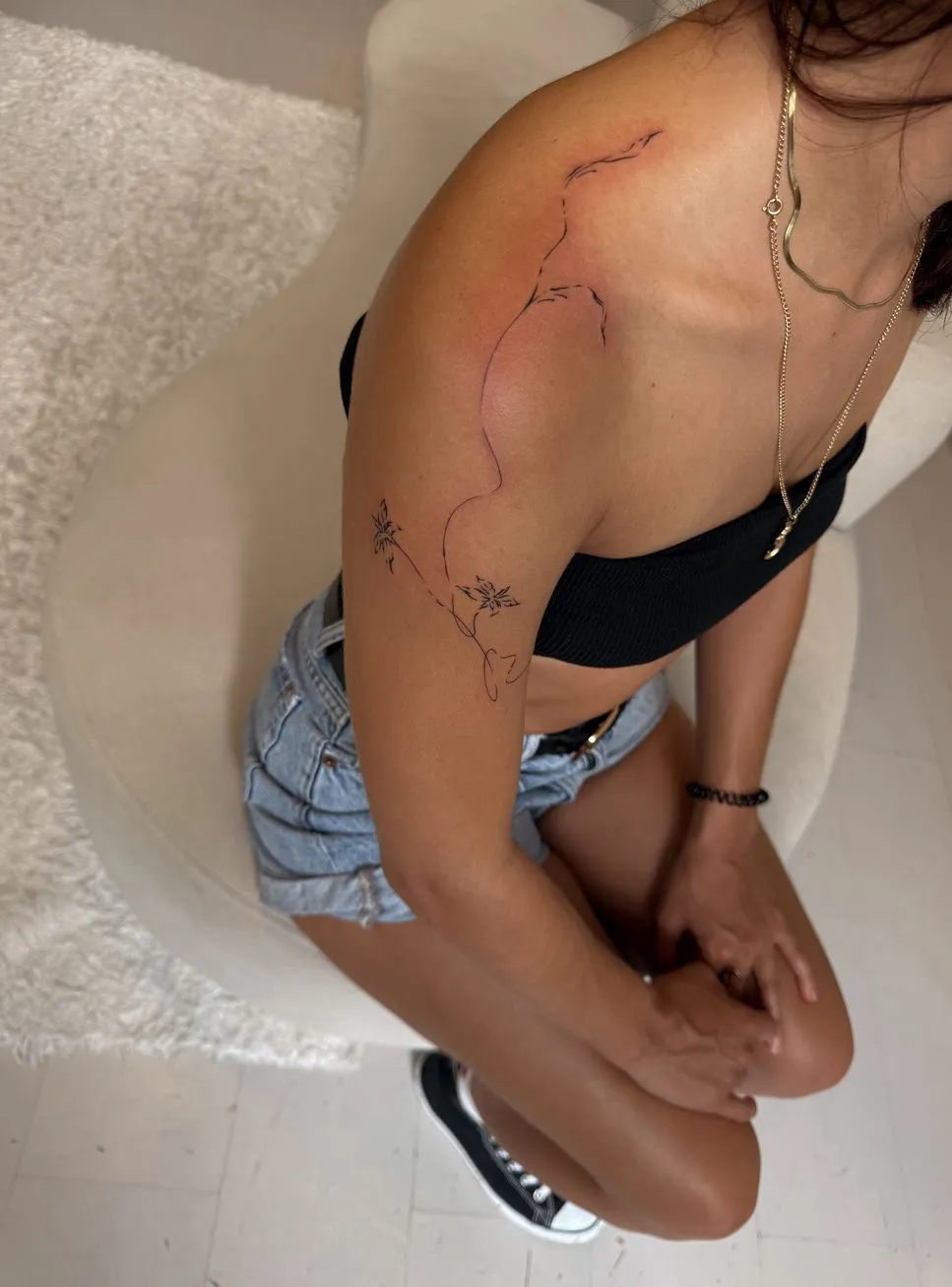
Let’s get straight to the point. These are the zones most people find relatively manageable on the tattoo pain chart:
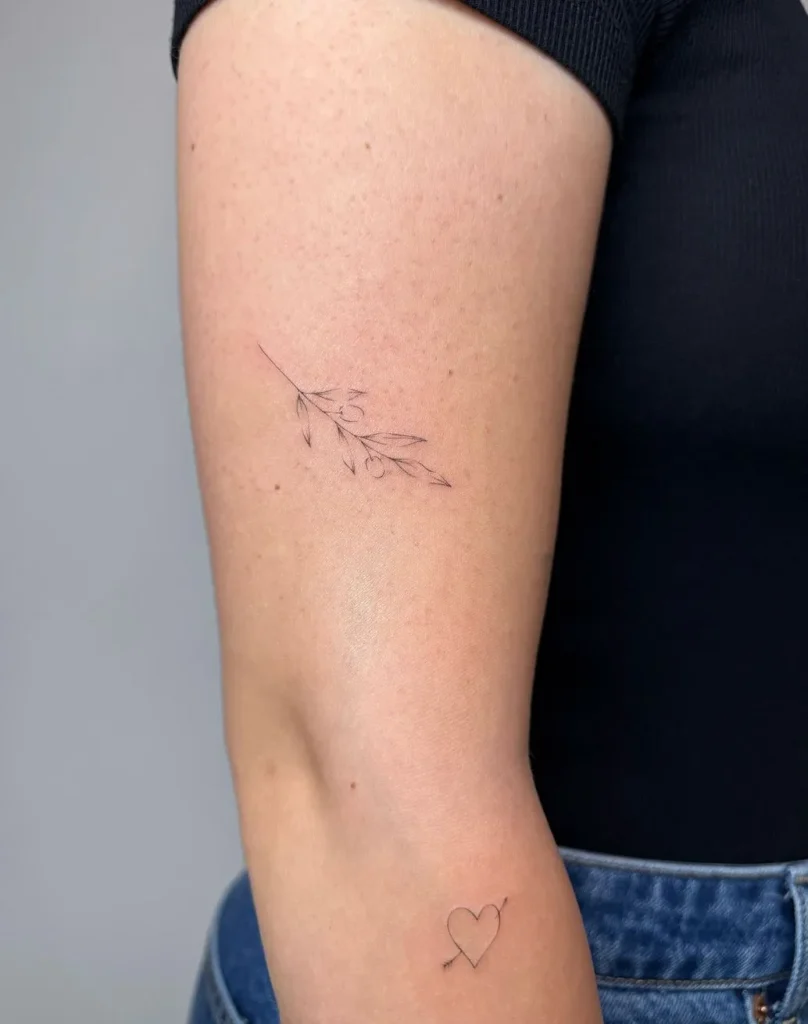
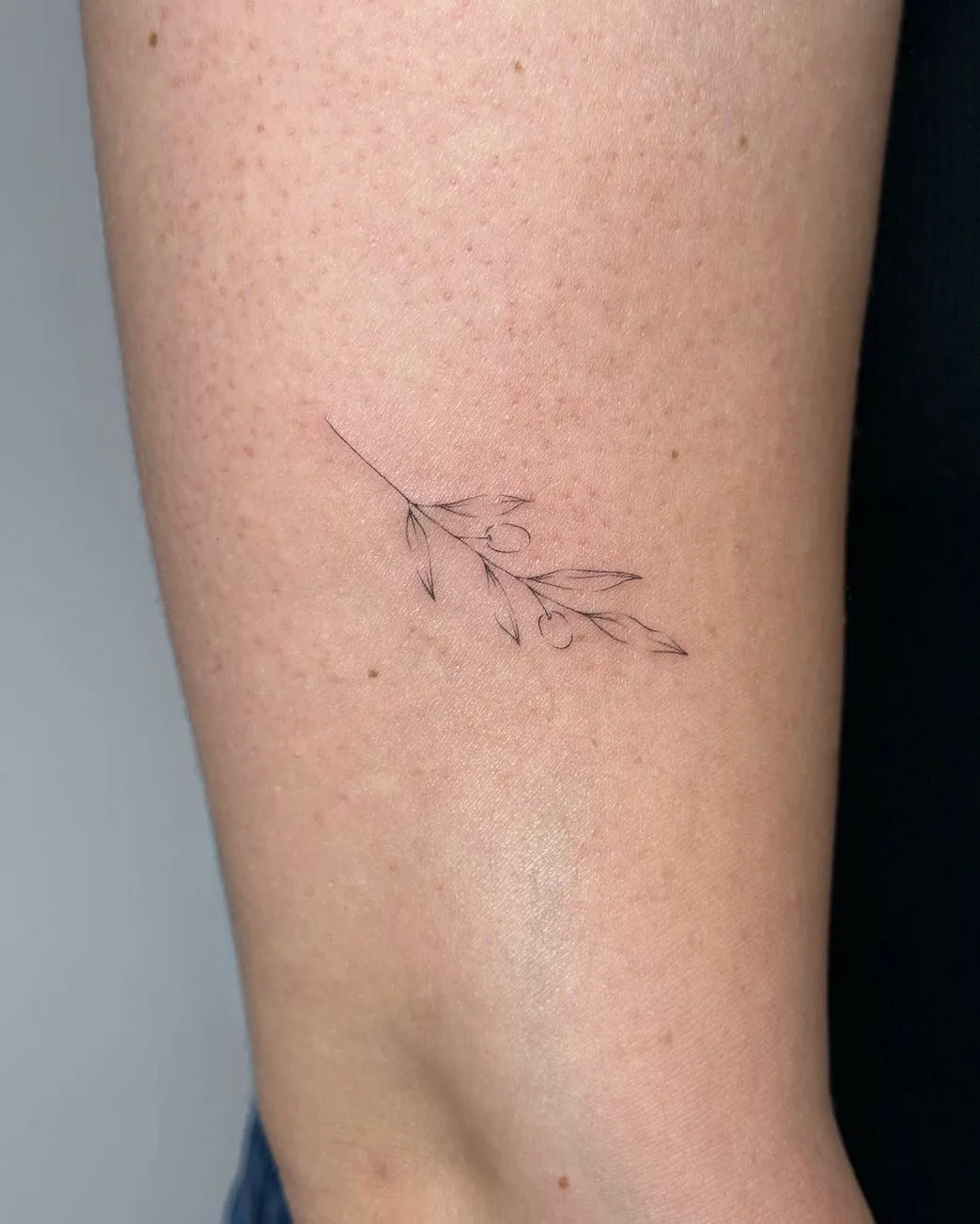
- Outer Upper Arm: Arguably the chillest zone. Nice muscle padding, minimal nerve endings, and easy to keep still.
- Outer Thigh: Great canvas, loads of space, and muscle to absorb the vibration. Ideal for geometric shapes and floral motifs.
- Calves: Especially the outer side. Decent cushioning, especially if you walk or run regularly.
- Forearm (outer): A classic placement for a reason. Smooth, visible, and gentle on the nerves.
- Shoulders (upper back area): Meaty, sturdy, and pretty forgiving.
These spots generally rank low on the pain map and are perfect for first-timers dipping their toes (well, arms) into tattoo territory.
Areas You Might Want to Avoid if You’re Pain-Shy
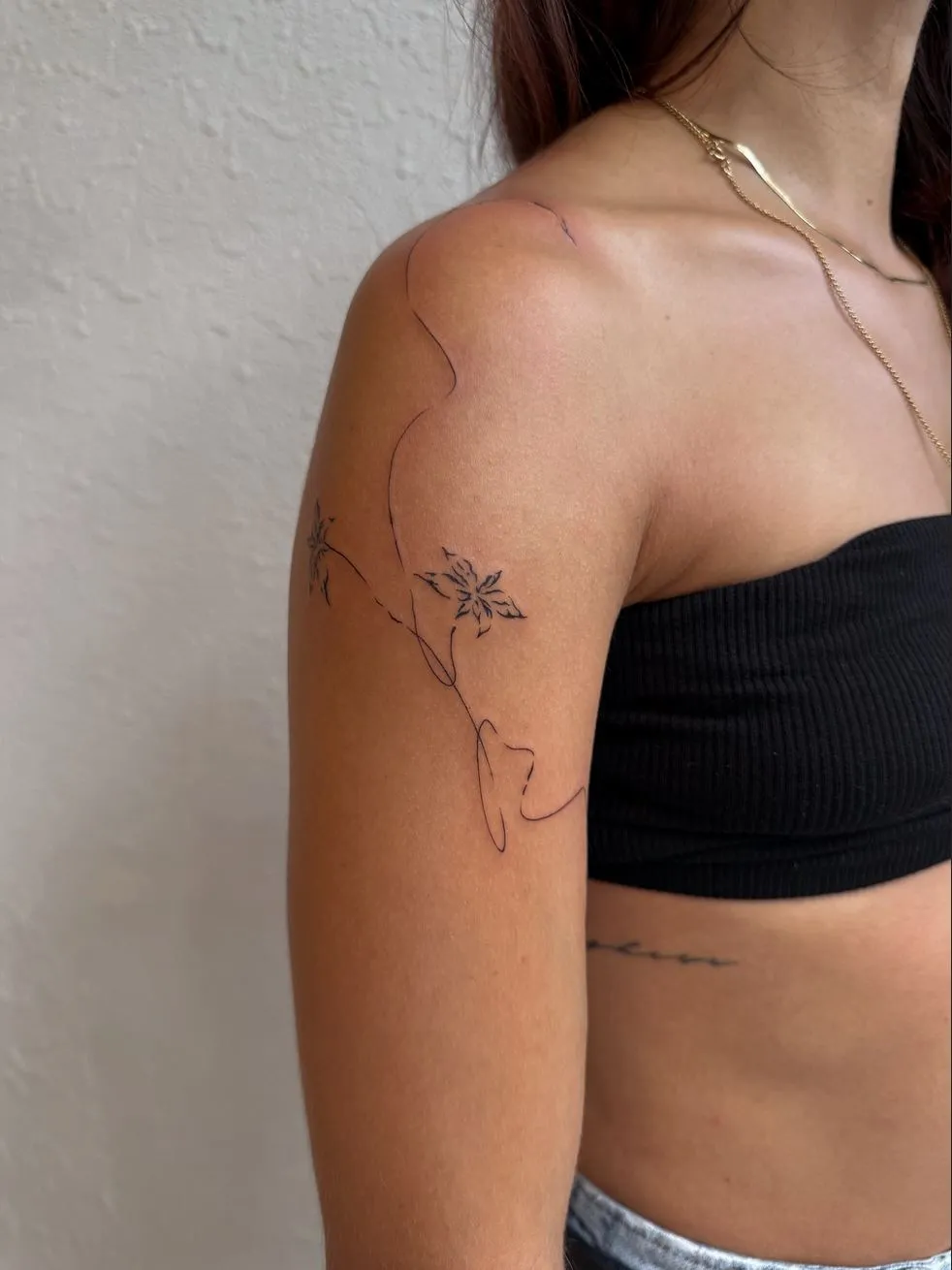
Curious where the fine line might turn into a fine whimper? These spots are best saved for the brave-hearted or those with a higher pain threshold:
- Ribs: Beautiful placement, but truly up there on the tattoo pain charts. Minimal fat, lots of nerve endings, and tricky breathing.
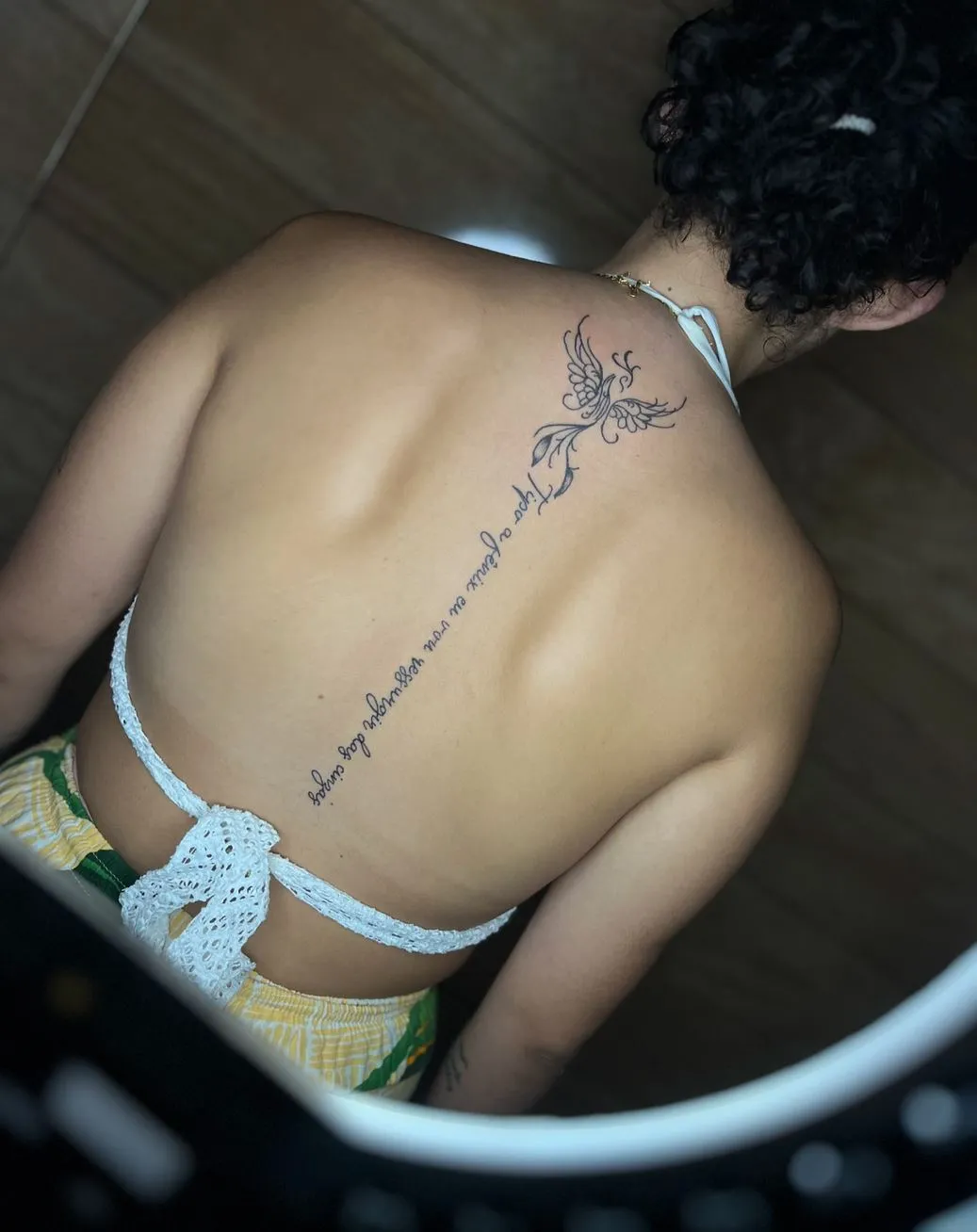
- Spine: Bony, sensitive, and a bit unpredictable with healing.
- Inner Arm (near armpit): Surprisingly spicy. The skin is thinner and more reactive.
- Knees and Elbows: Tight skin, exposed bone, and often stubborn healing. Avoid if you dislike prolonged tattoo healing.
- Feet and Ankles: Popular, yes, but they’ll make you flinch.
- Shin Tattoos: Thin skin and not much cushioning. They’re gorgeous, but they sting.
- Face Tattoos: Loads of nerve endings, varied skin texture, and extreme visibility.
That said, pain tolerance is personal. I’ve had clients snooze through rib tattoos (how?) and others flinch at their outer thigh.
Tattoo Pain Chart: A Quick Glance
| Area | Pain Level | Notes |
|---|---|---|
| Outer Upper Arm | Low | Great first-timer zone |
| Forearm (outer) | Low | Easy to heal and show off |
| Outer Thigh | Low | Big surface, good cushion, stable for design |
| Calf (outer) | Low-Med | Some vibration, usually bearable |
| Shoulder (upper back) | Low-Med | Minimal nerve activity |
| Spine | High | Over bone, sharp pain |
| Ribs | Very High | Most painful spot for many |
| Feet/Ankles | High | Bony and reactive skin |
| Inner Arm | High | Thin skin, sensitive nerves |
Why These Tattoos Feel Different
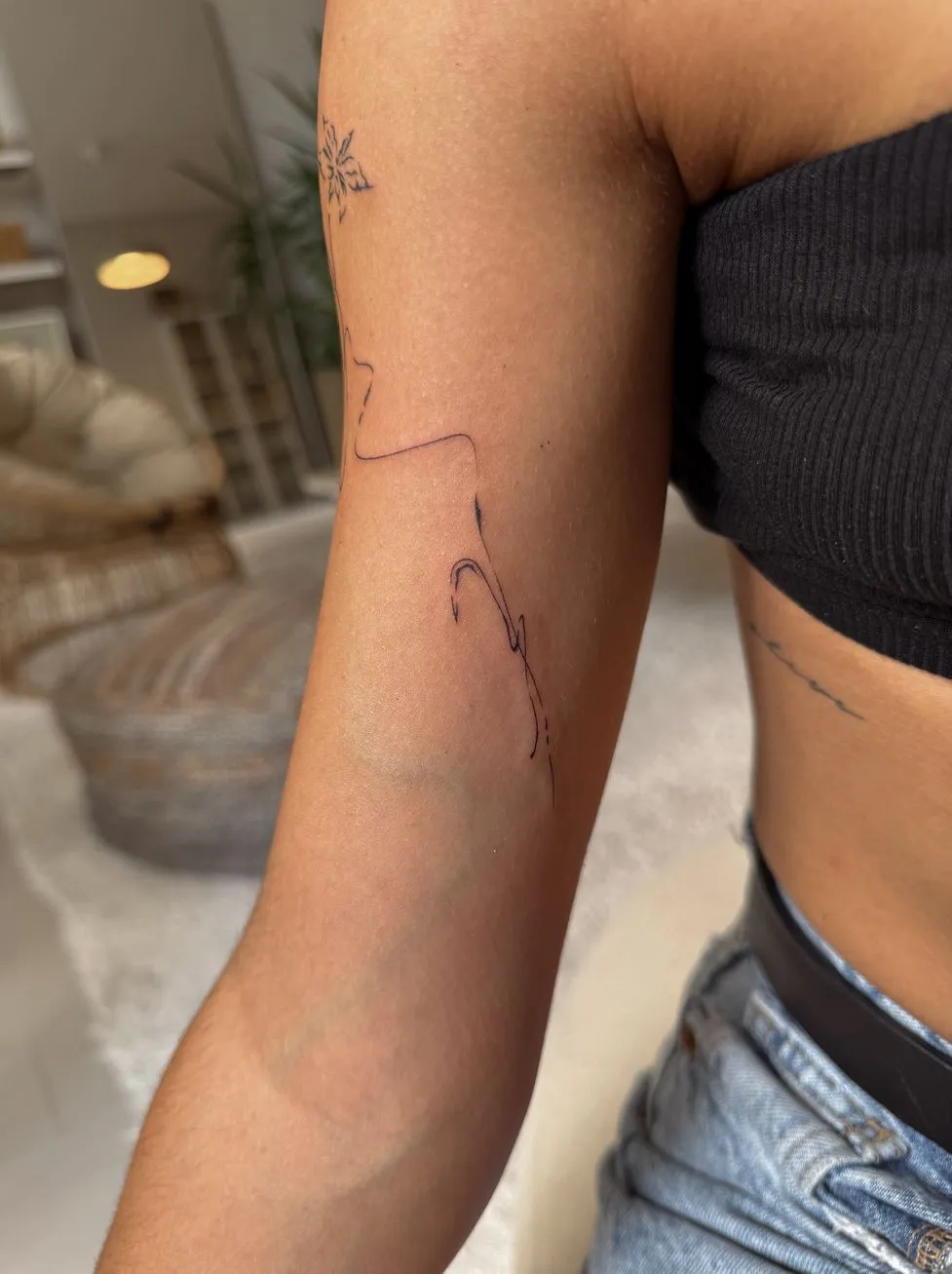
Fine line tattoos feel different from bold traditional tattoos. Less ink, smaller tattoo needles, more surface detail. It’s kind of like writing with a mechanical pencil versus a crayon—you’ll feel the difference.
While they’re lighter on the skin in terms of ink saturation, they do tend to take longer because of the intricate tattoo design details. That means even if it hurts less up front, you’re still in the chair for a while.
Also, thin-line work can be more susceptible to movement and stretching, which is why choosing a flatter, stable spot matters. Tattooing on areas with consistent skin thickness and minimal motion helps preserve your ink over time.
Real Pain Ratings from the Chair
In the studio, I’ve seen hundreds of tattoos done in just about every spot you can imagine. Here’s a little real-talk summary from Face Figurati clients:
- “I barely felt anything on my outer arm. It was like a weird scratch.”
- “My ribs? Never again. But it looks stunning, so worth it.”
- “My thigh tattoo was so comfy I forgot I was being tattooed.”
- “Forearm was fine until the tattoo needle got near my inner wrist.”
Everyone’s got a different pain threshold. But the general trend? Fleshy = friendly. Bony = brace yourself.
How to Prep for a Less Painful Session
You can’t change your anatomy, but you can absolutely set yourself up for a better time in the tattoo studio:
Before Your Appointment:
- Get a good night’s sleep
- Eat a solid meal an hour or two beforehand
- Stay hydrated (your skin loves it)
- Avoid alcohol and painkillers (they thin the blood)
- Discuss local anaesthetic options with your tattoo artist
During the Tattooing Process:
- Breathe deeply and evenly
- Bring headphones and a calming playlist
- Don’t be shy about asking for breaks
- Some professional artists offer cooling therapy or numbing gels
Aftercare:
- Follow the healing instructions religiously
- Avoid sun exposure, sweat, and soaking for at least 10 days
- Use fragrance-free, hydrating tattoo balm
Low-Pain Areas Healing Expectations
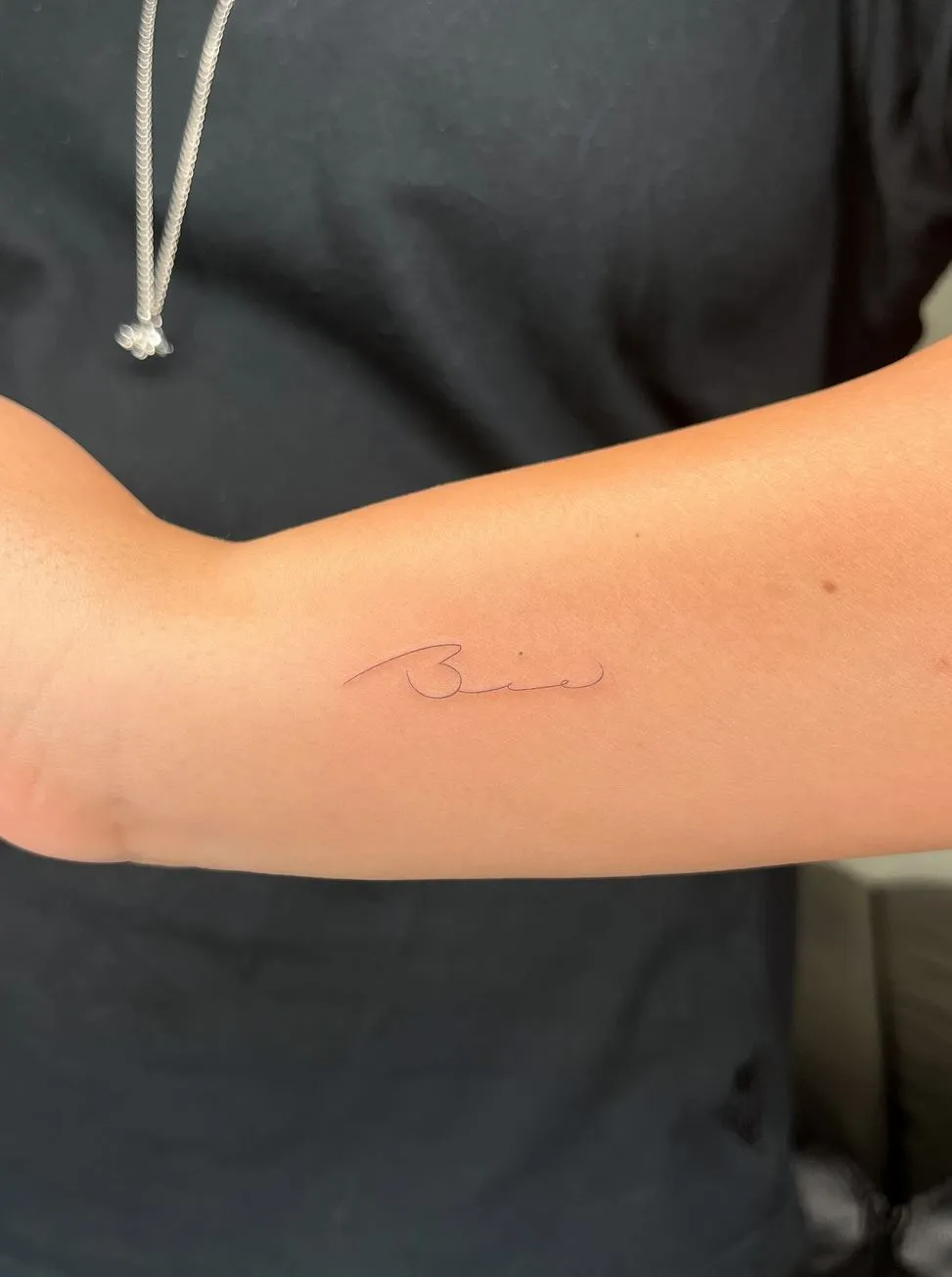
Good news if you’re sticking to those gentler zones: healing is quicker and easier too.
You can expect:
- Mild redness or swelling for 24-48 hours
- Light flaking or itching after 3-7 days
- Total surface healing by 10-14 days
Of course everyone heals differently. But in areas that don’t move as much (like outer arms and thighs) you’ll avoid a lot of the stretching, cracking and scabbing you might get elsewhere.
Choose Comfort Over Proving a Point
As a tattoo artist and as someone who’s sat in the client chair too, my honest opinion is this: start with comfort.
There’s no badge of honour for gritting your teeth through a painful placement just because TikTok says spine tattoos are in.
At Face Figurati, we’re all about making sure your ink fits your aesthetic and your experience level. Whether you’re after micro tattoos, botanical illustrations, a dot-work sunflower, white highlights or subtle geometric shapes, your first (or fifth) fine line tattoo should be something you remember for the artwork—not the ouch.
FAQ
Do fine line tattoos hurt less than traditional tattoos?
Yes, generally. Fine line tattoos use one needle and less ink, which feels more like scratching or pressure than the deep buzzing of magnum needles or heavy needle groupings.
Can I use numbing cream before my fine line tattoo?
Yes—at Face Figurati, we offer local anaesthetic options or cooling therapy for sensitive areas. Just ask during your consult so we can prep the skin properly.
What’s the easiest spot to heal a fine line tattoo?
The outer arm, shoulder and outer thigh are the quickest to heal with the fewest complications due to skin texture and limited movement.
How long does the pain last after the tattoo?
Most of the discomfort will fade within 24-48 hours. After that it’s more about itchiness and dryness during the healing process than actual pain.
Should I avoid working out after getting a tattoo?
Yes, especially if it’s in a high movement area like the ribs or inner arm. Skip working out for 3-5 days to prevent sweat and friction from irritating the skin which can affect the tattoo if a touch-up is needed.