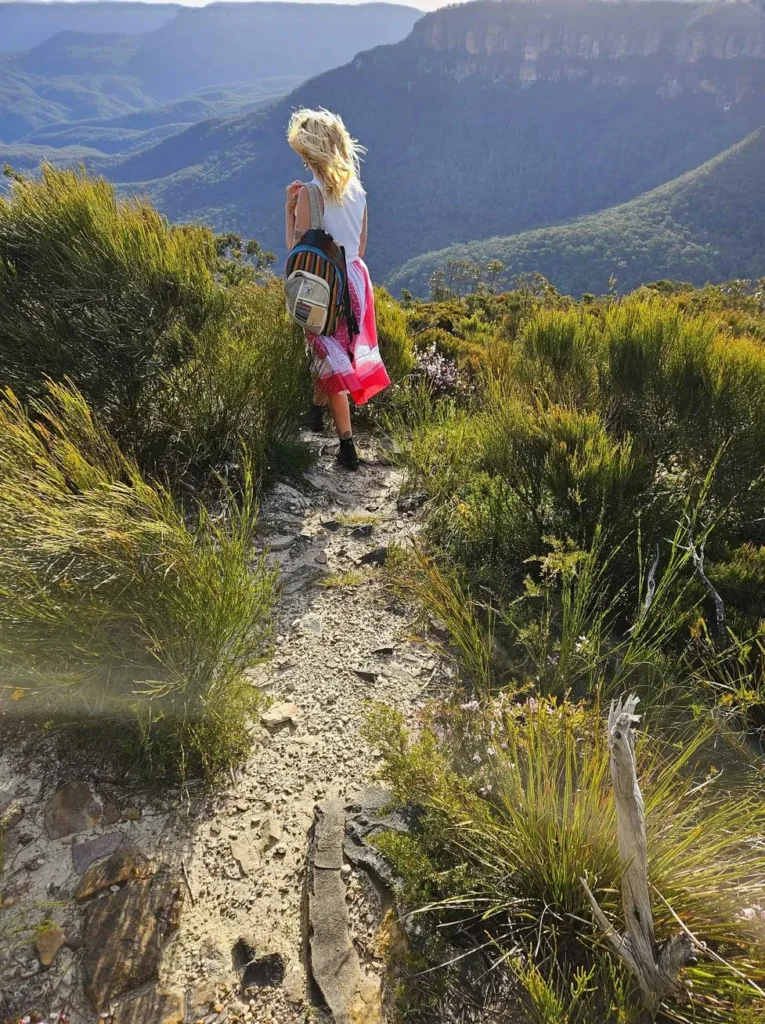
Nature therapy in the Blue Mountains has got nothing to do with rushing and everything to do with slowing right down, tuning in and letting the bush recharge your batteries from the inside out. You can ditch your inbox for the sweet sound of birdsong & swap your constant caffeine habit for deep lungfuls of crisp mountain air. Standing surrounded by the dry eucalypt forests and the scent of fresh eucalypt leaves out here is a great reminder of how to breathe again simply.
When I first took a bunch of stressed-out city slickers on a Blue Mountains Tour a few years ago, I watched in amazement as they transformed in just a single day – all under the canopy of the gum trees. No wi-fi, no deadlines, just waterfalls, the wind blowing & the slow, steady work of nature doing its thing after thousands of years of just doing what comes naturally.
Just a couple of hours from Sydney, this wilderness area is a UNESCO-listed site where forest bathing meets real geology – a mix of sandstone cliffs, volcanic stones & lush green valleys teeming with life.
Why Getting Dirty Beats Meditation Apps
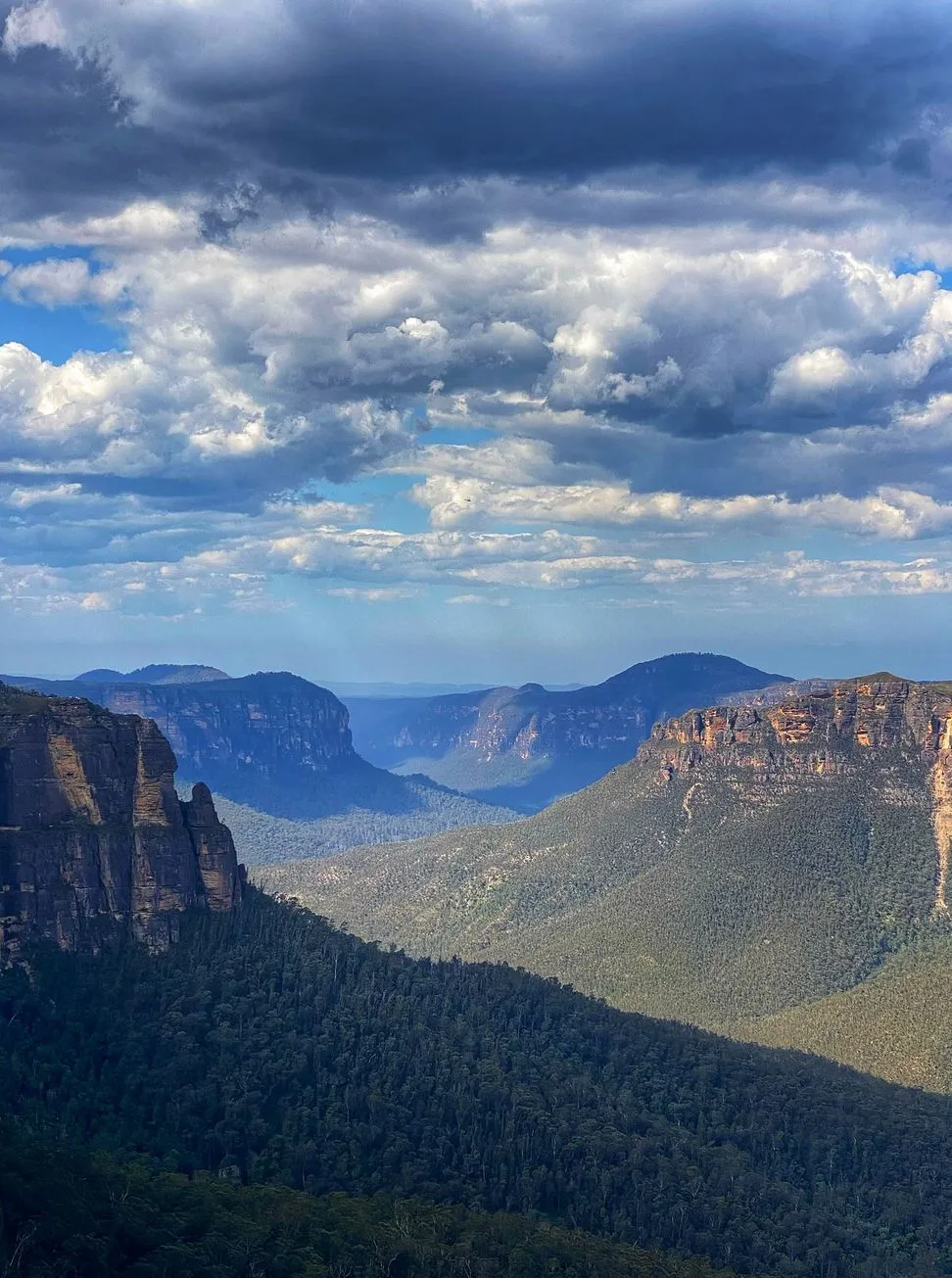
The science now backs up what old bushwalkers have always known – time in nature is some pretty good medicine. The Japanese call it shinrin-yoku or forest bathing, but we like to do it the Aussie way – with boots on, mozzie repellent at the ready and a thermos in the pack.
Some research from the University of Sydney found that spending just two hours a week in green spaces reduces cortisol by a pretty impressive 21% – that’s no prescription required. When you’re really deep in the Blue Mountains forest, every breath you take is basically laced with the natural oils from eucalypt leaves, which calm you down & clear your lungs.
You’ll catch the scent of ironbark, scribbly gum, peppermint & the odd other tree species as you go – each one quietly doing its healing work. Some of our Blue Mountains tours actually include some guided breathing & mindfulness stops to help you soak up that bush magic as you go.
Fire, Forests & the Balance of Nature
You can only really get a feel for the Blue Mountains if you get a handle on fire – this landscape has been shaped by it, in a two-way street. The Traditional Owners knew what they were doing, burning low-intensity fires & keeping fuel loads under control. And by doing that, they also made sure native food trees kept on growing.
Fast forward to today, and fire management is all about building on that wisdom. Fire agencies plan their prescribed burns carefully to reduce fire danger, prevent houses from burning to the ground, and help keep koala populations safe in the dry eucalypt forests. The idea is to strike a balance where life can thrive without being destroyed in the process.
And timing is everything – burn too often & you can end up harming trees that need years to recover, whereas not burning enough & you’re playing with fire – the wrong kind of fire. Every blackened tree tells a story of rebirth, of adapting to your circumstances, and of just getting on with it.
Fire & Healing – Finding a Common Thread
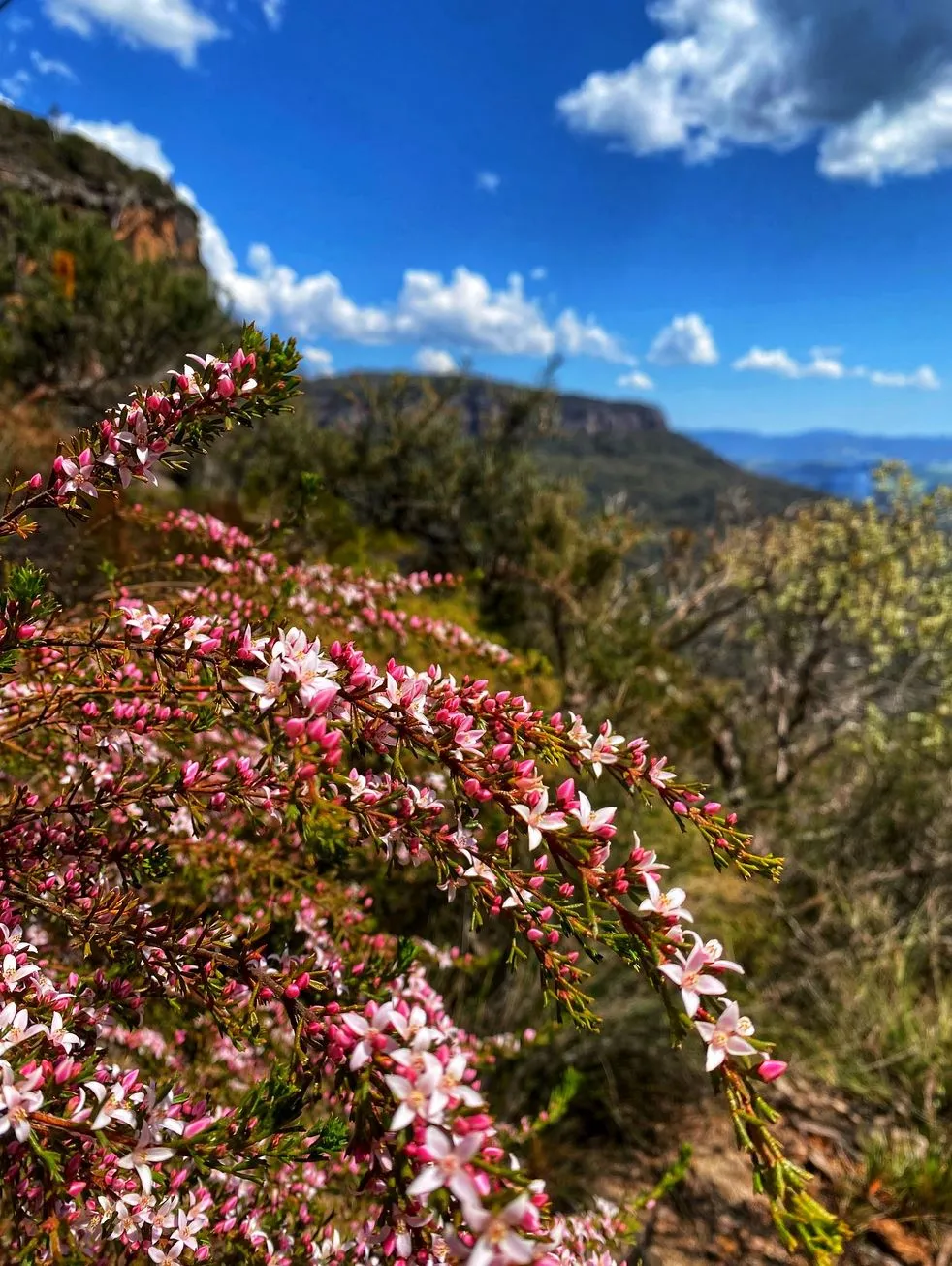
The thing with fire is that, just like healing, it teaches you humility. You need to let go & respect the natural rhythm. I’ve met folk who’ve gone on Blue Mountains Tours & are doing some deep inner work – a mix of journaling, walking & just getting in touch with their soul. They’re looking for peace & they find it in the way the landscape heals – new shoots pushing through the ash, & people rediscovering their own strength.
Why Getting Outdoors Feels Good For Your Brain
And it’s not just pretty words – there’s actual science behind all this. Researchers have found that people who get outdoors regularly are less anxious, sleep better & just generally feel more balanced.
| Source | Finding | Year |
|---|---|---|
| CSIRO | Two hours in nature weekly lowers cortisol by ~20 % | 2023 |
| Beyond Blue / Parks Vic | Regular bush visits cut depression risk by 33 % | 2022 |
| Tourism Research Australia | Eco-wellness travel up 30 % in NSW | 2020–23 |
Out here, science meets common sense. The forest is the therapist, and the treatment plan is simple — walk, listen, breathe. That’s what our Blue Mountains Tours are designed for: adventure and restoration.
Healthy ecosystems support environmental health, which in turn supports us. When fire behaviour is managed and fuel loads are balanced, the forest thrives — and so do we.
Local Knowledge: Respecting Country and Season
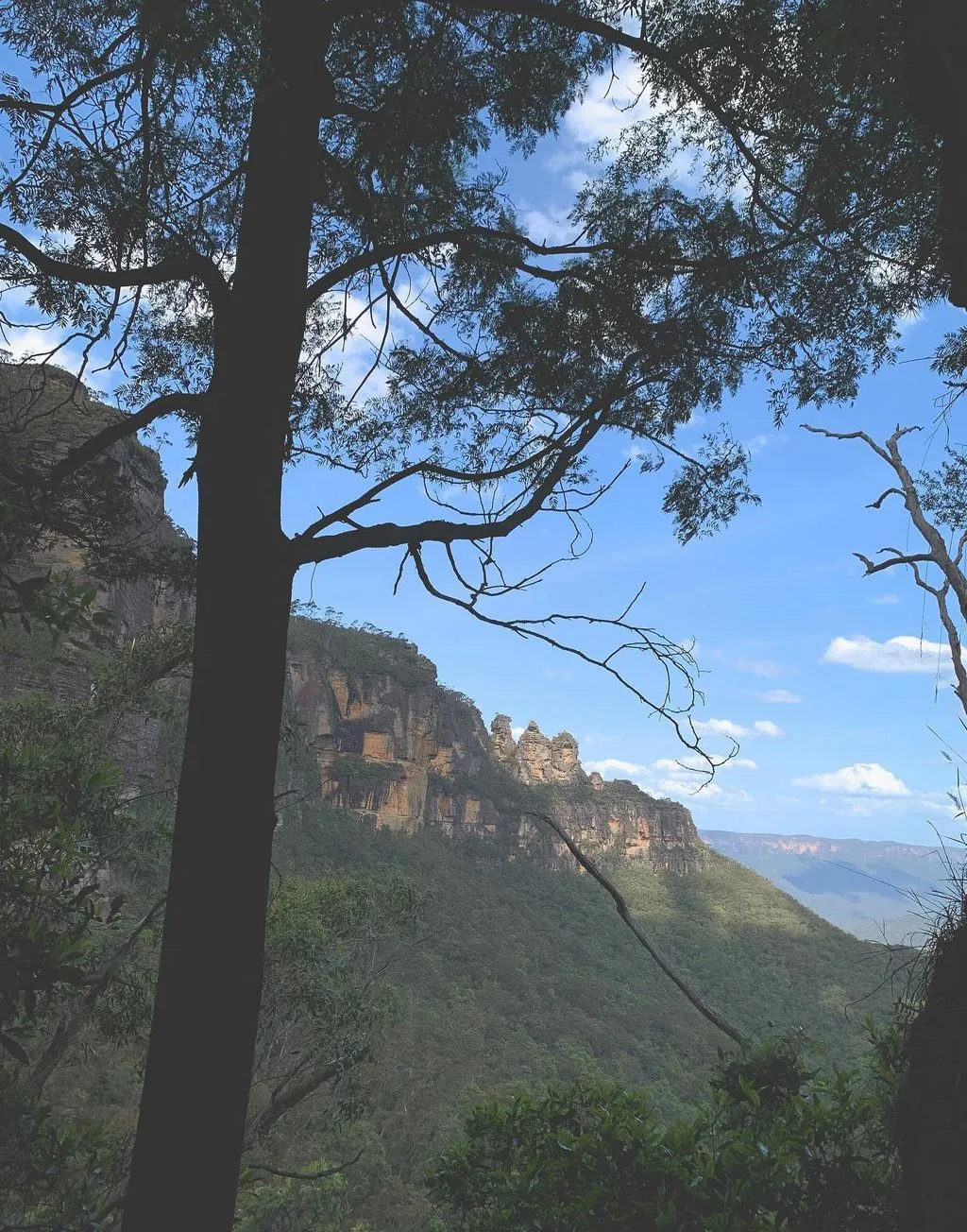
The Blue Mountains stretch across Gundungurra and Darug Country, where knowledge of fire weather, fire regimes and ecological balance goes back thousands of years. Traditional burning was never just about safety — it was ceremony, renewal and respect for the land’s cycles.
Every Blue Mountains Tour I lead starts with an acknowledgement of Country. We walk softly, listen more and remember this landscape isn’t a backdrop — it’s a teacher.
Seasonal Tips
- Summer (Dec–Feb): Hot, dry and unpredictable — check fire weather warnings before heading out.
- Autumn (Mar–May): Calm days and warm hues — perfect for forest bathing and inner relationship work.
- Winter (Jun–Aug): Crisp air, foggy mornings — good for body consciousness and solitude.
- Spring (Sep–Nov): Wildflowers blooming, wildlife active and the occasional leech.
Forest Bathing Meets Spa Therapy
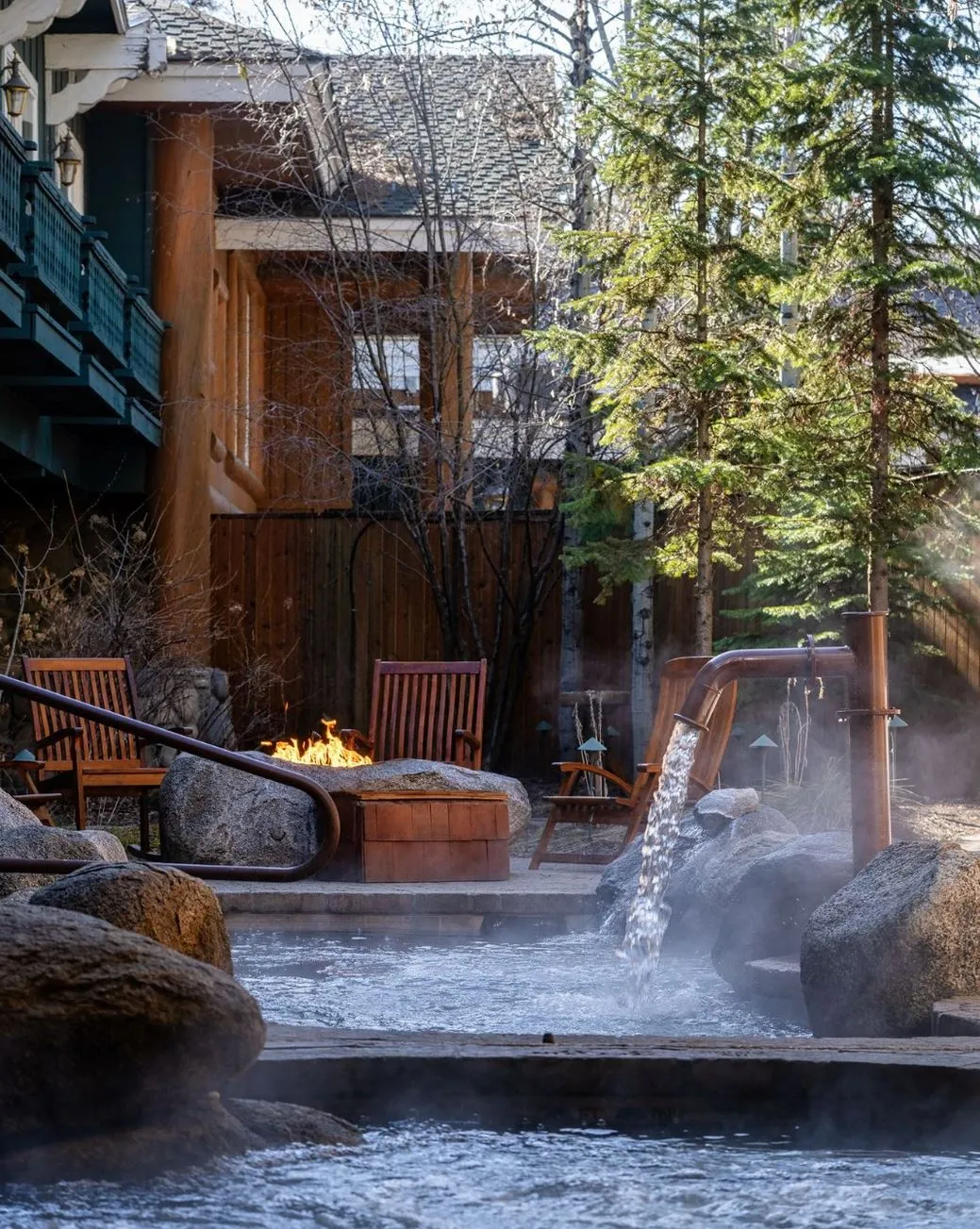
Here’s the magic combo: morning hike, afternoon spa treatment. The Blue Mountains Tours that pair these two are pure gold — bush sweat followed by bliss.
After a few hours on the track, treat yourself to a steam room detox or an aroma massage using native oils. The treatment menus across Leura and Katoomba often feature body exfoliation, hot volcanic stones and massage using local botanicals like wattleseed and eucalyptus.
| Treatment Type | Local Twist | Benefit |
|---|---|---|
| Aroma Massage | Native eucalypt oil blend | Deep relaxation, lung clarity |
| Body Exfoliation | Sandstone & salt scrub | Skin renewal, grounding |
| Steam Room Detox | Bush herb infusion | Clears pores, relieves stress |
| Hot Volcanic Stones | Local basalt | Improves circulation, eases tension |
Walking Tracks That Heal from the Inside Out
The Blue Mountains are full of walking tracks that feel like moving meditation. Whether you’re walking solo or joining one of our Blue Mountains Tours, each track is different.
| Track | Distance | Style | What It Does For You |
|---|---|---|---|
| Princes Rock Walk (Wentworth Falls) | 1.8 km return | Easy | Short, mindful, beginner-friendly. |
| Grand Canyon Track (Blackheath) | 6.3 km loop | Moderate | Lush rainforest and inner work focus. |
| National Pass Trail | 4.5 km loop | Moderate | Clifftop calm — ideal for body consciousness. |
| Ruined Castle via Golden Stairs | 11 km return | Hard | Cathartic sweat, pure healing work. |
I once led a sunrise group of hikers through the Grand Canyon Track – halfway through, the mist just rolled in off the cliffs, and the whole place fell silent. Not a single person said a peep for the next hour – it was almost like we were all in some kind of collective meditation, minus the incense. By the end of the walk, everyone looked like they were feeling a bit lighter than they had at the start.
Finding A Good Place to Rest & Recharge
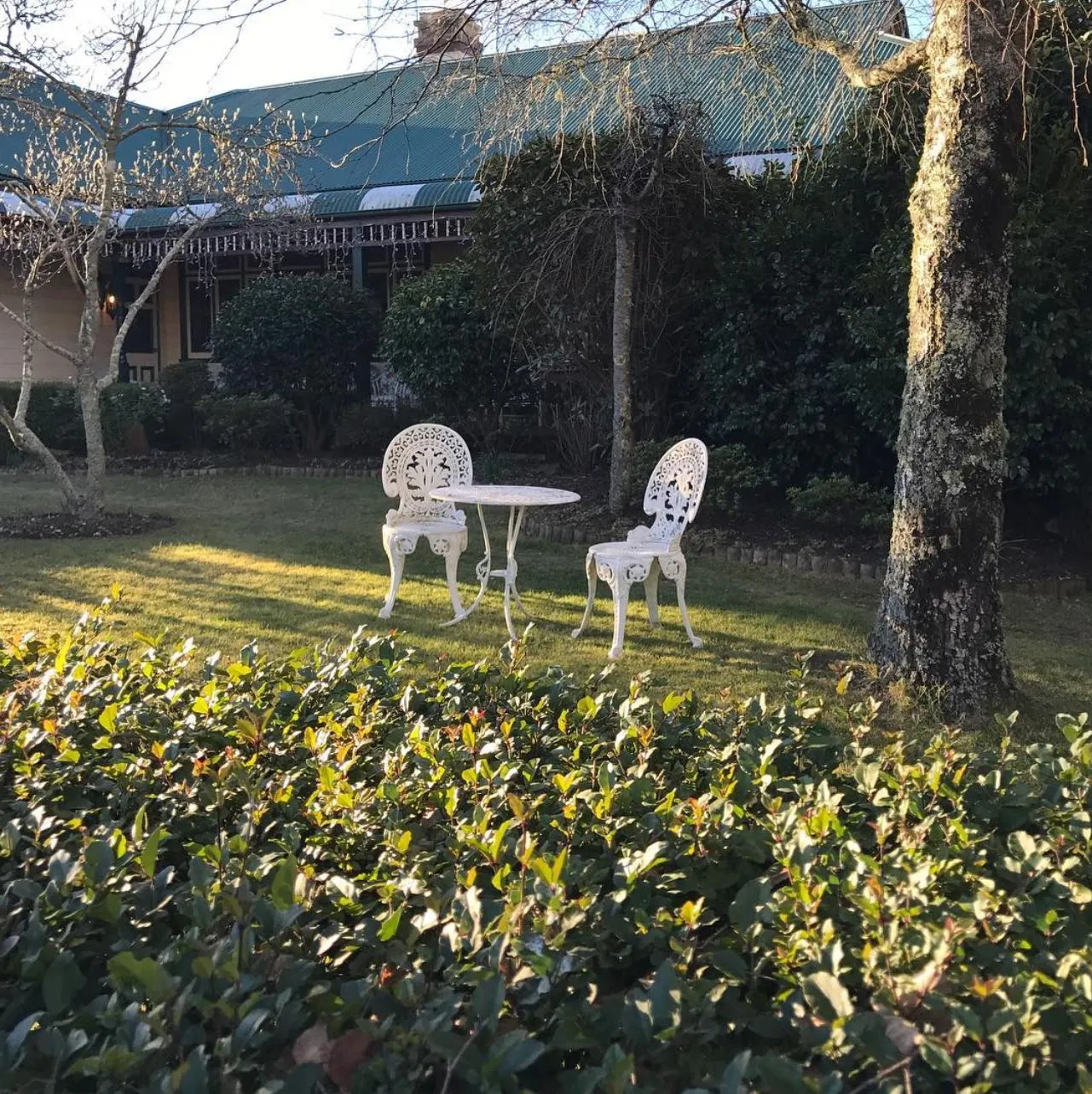
When you’re at the end of a big day and your legs are pretty much jelly and your head is clear, the right place to rest can just make all the difference.
Old Leura Dairy is a real treat – it’s where eco-luxury meets old-fashioned charm, with solar power, loads of recycled materials, and even a proper spa area to unwind in.
Glenella Guesthouse in Blackheath has fireplaces to snuggle up beside, home-cooked meals that’ll keep you going, and loads of quiet corners where you can sit down and do some journaling.
And if you want to get really deep in the bush, going to Wollemi Wilderness Cabins is the way to go – they’re fully off-grid and surrounded by forest. Perfect for getting some serious healing done.
Loads of people book a Blue Mountains Tour that involves an overnight stay – it gives them the chance to really soak up the landscape, as well as their own thoughts and feelings.
A Few Basic Rules for Healing Responsibly
Healing’s not just about taking stuff from the landscape – it’s about giving back to the land that’s looking after you.
- Stick to the marked tracks – trampling the undergrowth does some real harm.
- Take all your litter home – yes, even the bits that are supposed to be biodegradable.
- Don’t light fires if there’s a prescribed burn period on.
- Respect closures if there are any announced by the fire agencies.
- And when you’re walking through the bush, just be gentle – it’s not our place to try to conquer the land, it’s our job to look after it.
Final Thoughts from Paul Beames
If you’re looking for quiet, clarity or just need a circuit breaker, a Blue Mountains Tour might be what the doctor didn’t prescribe — but should have. Out here, healing happens naturally. You’ll be breathing deeper, walking slower and maybe seeing the world with new eyes.
The bush teaches balance — between fire and rain, tension and rest, body and consciousness. Whether through soulcraft practices, forest bathing or a post-hike soak, you’ll leave these valleys feeling recalibrated.
Got your own Blue Mountains ritual? Drop it in the comments — I’m always updating our field notes. Or come join one of our Blue Mountains Tours for a hands-on dose of nature therapy. Bring your boots, your curiosity and maybe a spare pair of socks.
FAQ
What’s the difference between forest bathing and an expected hike?
Forest bathing is slow, sensory and still — about listening to your body and the land. A normal hike is exercise; this is inner work.
How do prescribed burns help the environment?
Prescribed fire reduces fuel loads, maintains healthy fire regimes and protects communities from catastrophic fire behaviour.
Which spa treatments go well with nature therapy?
Aroma massage, steam room detox and body exfoliation using native botanicals are perfect for post-hike recovery.
Can time in the bush really improve mental health?
Absolutely. Time in green spaces reduces anxiety, lowers blood pressure and fosters environmental health awareness.
How do Blue Mountains Tours support sustainability?
Our tours follow eco-guidelines, partner with local conservation programs and respect fire management zones to ensure minimal impact.