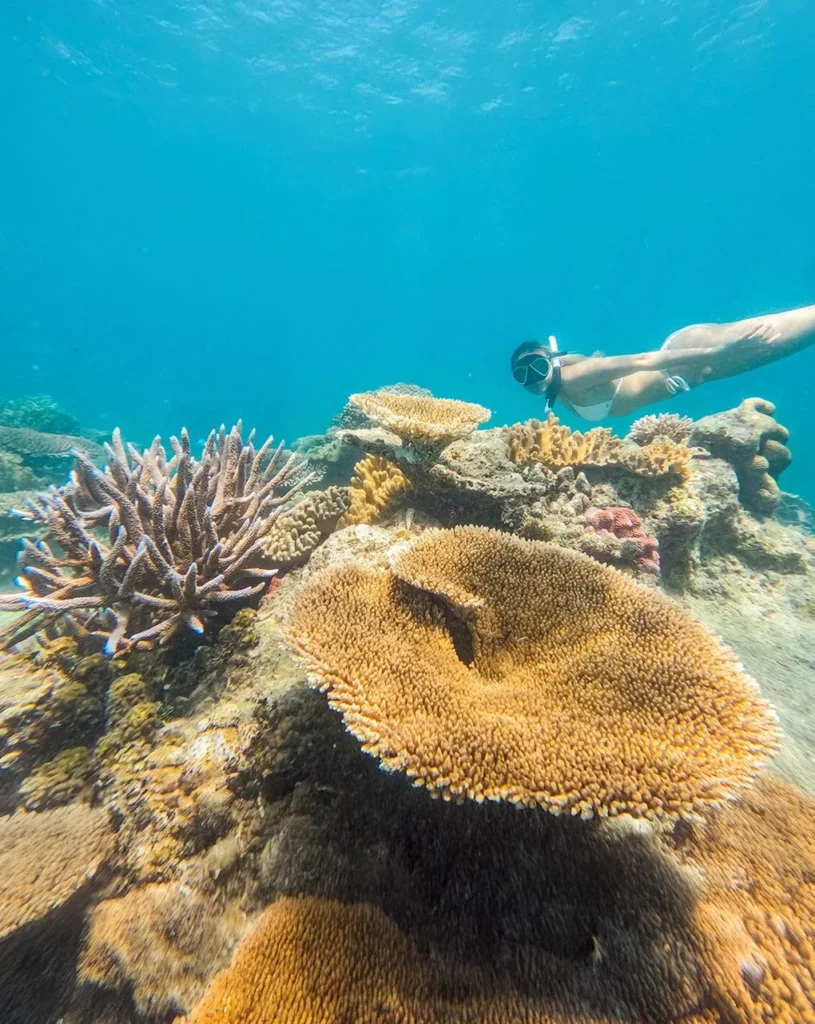
What is the prettiest reef in the world? – pops up more often than you might think when I’m out guiding snorkellers, scuba divers, and anyone who’s just plain amazed by the sheer colour and life on some of the world’s most incredible coral reefs. Every time we’re chugging along to Green Island or Norman Reef on a crisp morning with a bit of breeze, someone always pipes up and asks which coral reefs come out on top in the global fight for beauty. Honestly, the truth is each reef has its own unique character – its own mix of marine life, coral species, and coral formations that make it feel special – and choosing the prettiest is a bit like trying to pick your favourite beer after a long day at sea.
But after years of drifting over coral bommies, watching sea turtles and reef sharks do their thing, and getting to see manta rays cruising over coral cays like they own the place, I’ve got a pretty good idea of where Mother Nature wants to show off her stuff. So grab your snorkelling gear, your mate, and your trusty underwater camera – and let’s dive in.
Coral Reefs – The Underwater Cities
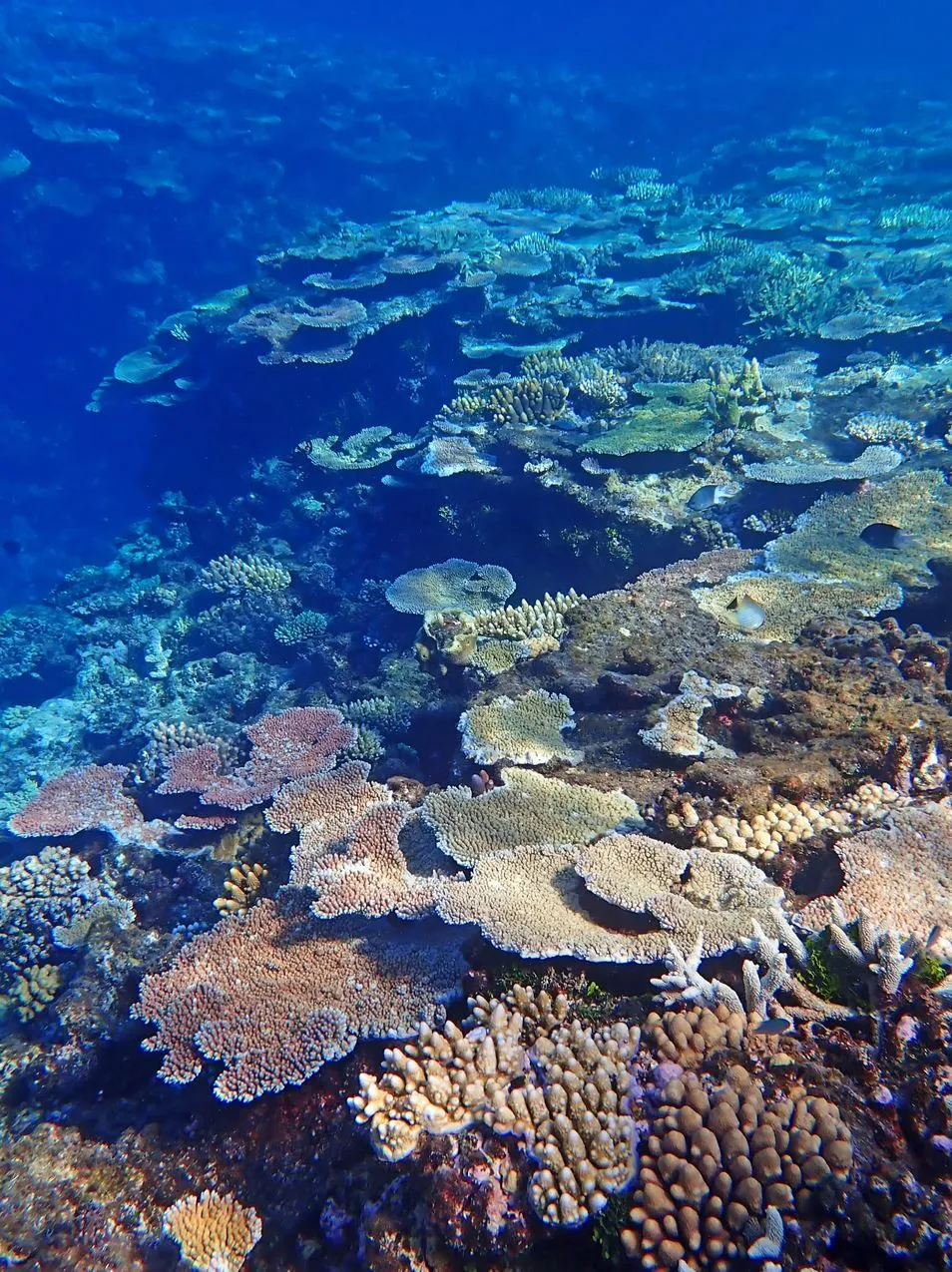
I reckon coral reefs are kind of like bustling underwater cities. Tiny coral polyps – which are actually just tiny animals building their own little limestone houses – form this vast structure that just attracts every shape and size of fish, marine turtle and other marine creature you can imagine. And the crazy thing is that these ecosystems cover only about 1% of the ocean floor, yet they’re home to a whopping 25% of all marine biodiversity worldwide.
But they’re also super sensitive. All these factors, like Climate Change, coral bleaching, and shifts in temperature on the outer reefs – and then there’s all the pressure from people – can all make a reef look either vibrant and alive or stressed and a bit flat when you visit. Understanding what keeps coral healthy really helps you appreciate why some coral reefs just go off with colour while others seem like soggy, sad messes.
Reefs Worth Ditching The Ordinary For
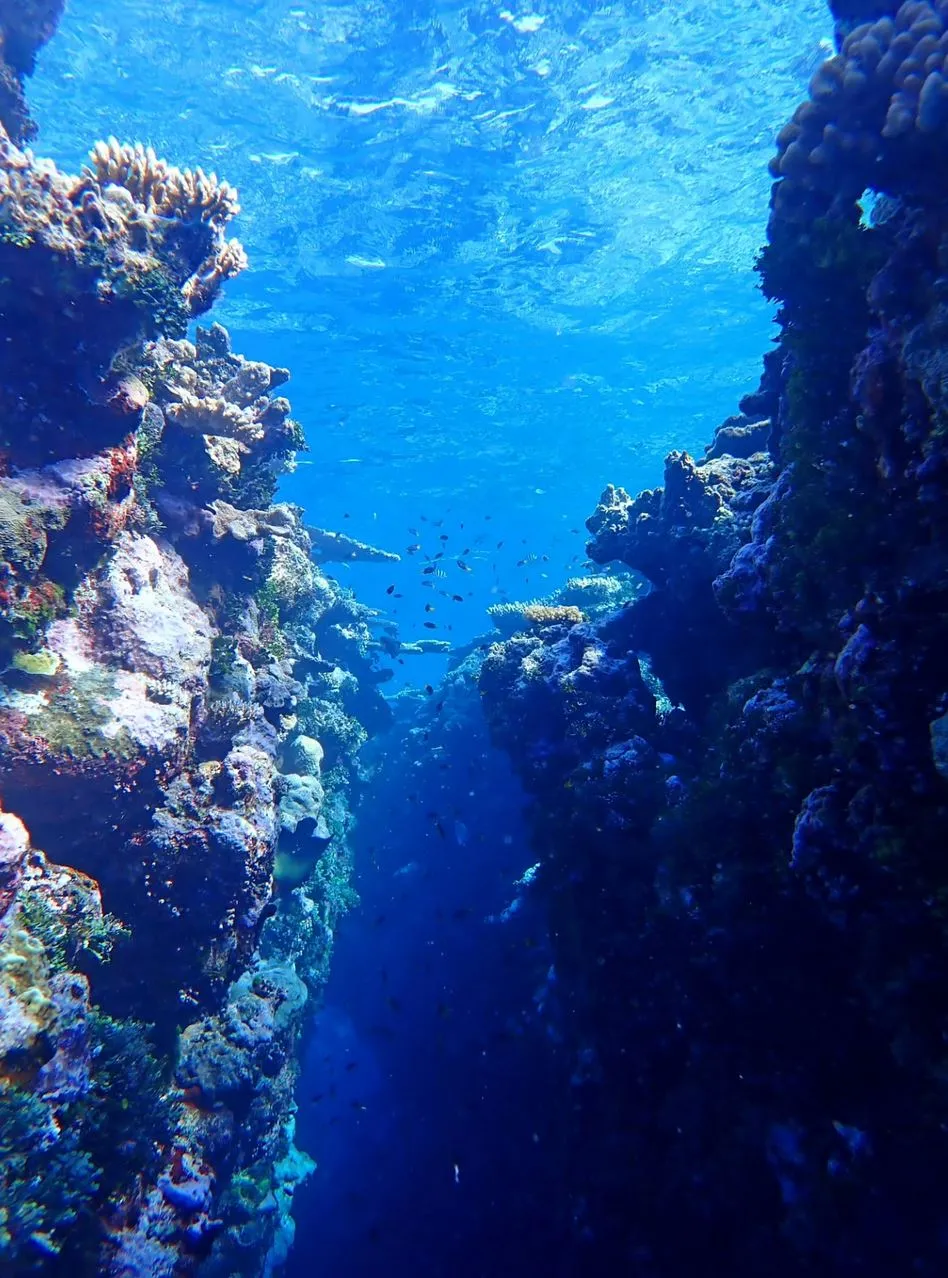
Every single one of these reefs has something to offer – jaw-dropping views of rare marine life, truly world-class dive sites, colour-splashed coral gardens, or that magical moment when a Hawksbill Turtle glides past you like you’re not even there. They’re not the sort of thing you see in brochures; they’re real, honest-to-goodness coral atolls, reef shelves and underwater playgrounds where I’ve got a mask fogged up more times than I can even remember.
The Great Barrier Reef (Australia)
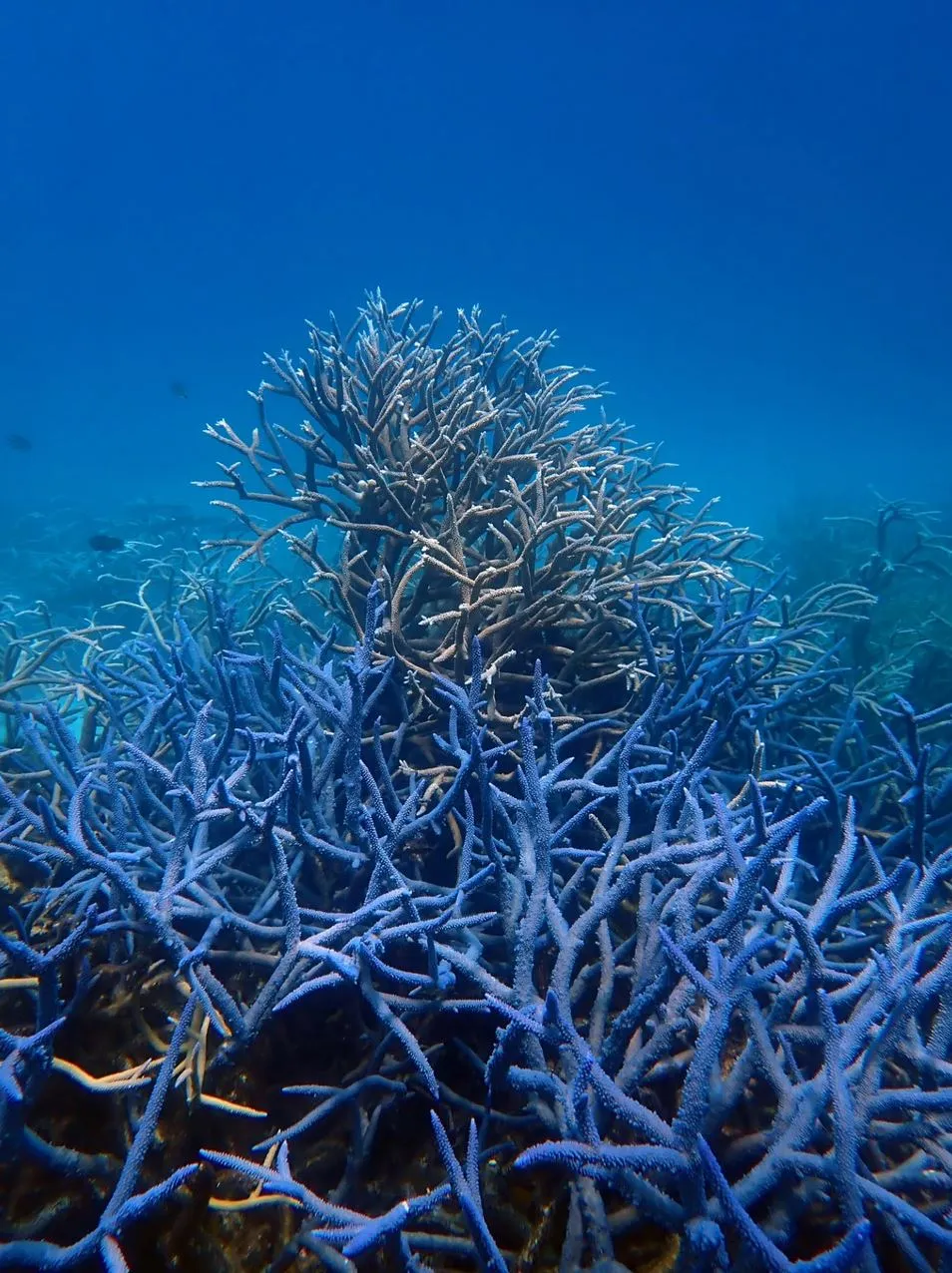
The Great Barrier Reef is the big kahuna – the world’s largest living structure and a UNESCO World Heritage Site to boot. With over 600 different species of coral to its name, it’s a crazy mosaic of hard coral, soft coral, coral cays, outer reefs and all the marine life that thrives there. Whether you’re drifting over Hastings Reef, Moore Reef, Heron Reef, or Fitzroy Island’s shallow coral gardens, you’ll be blown away by the sheer diversity of species.
You might catch a glimpse of:
- Green Sea Turtle (the nice-guy of turtles)
- Loggerhead Turtle (big, tough, and totally awesome)
- Reef sharks – like the Whitetip Reef Sharks
- Epaulette sharks (the little guys that ‘walk’ across the reef – talk about cool!)
- Humpback whales, when they migrate through
And don’t worry, it’s one of those places that’s super accessible for all skill levels. You can try helmet diving, take a glass-bottom boat tour, go for a wreck diving certification, or spend a full day scuba diving with a Tourism Queensland-approved operator. I mean, let’s be real – Norman Reef at sunrise is one of the prettiest spots I’ve ever filmed – anywhere.
Belize Barrier Reef Reserve System (Belize)
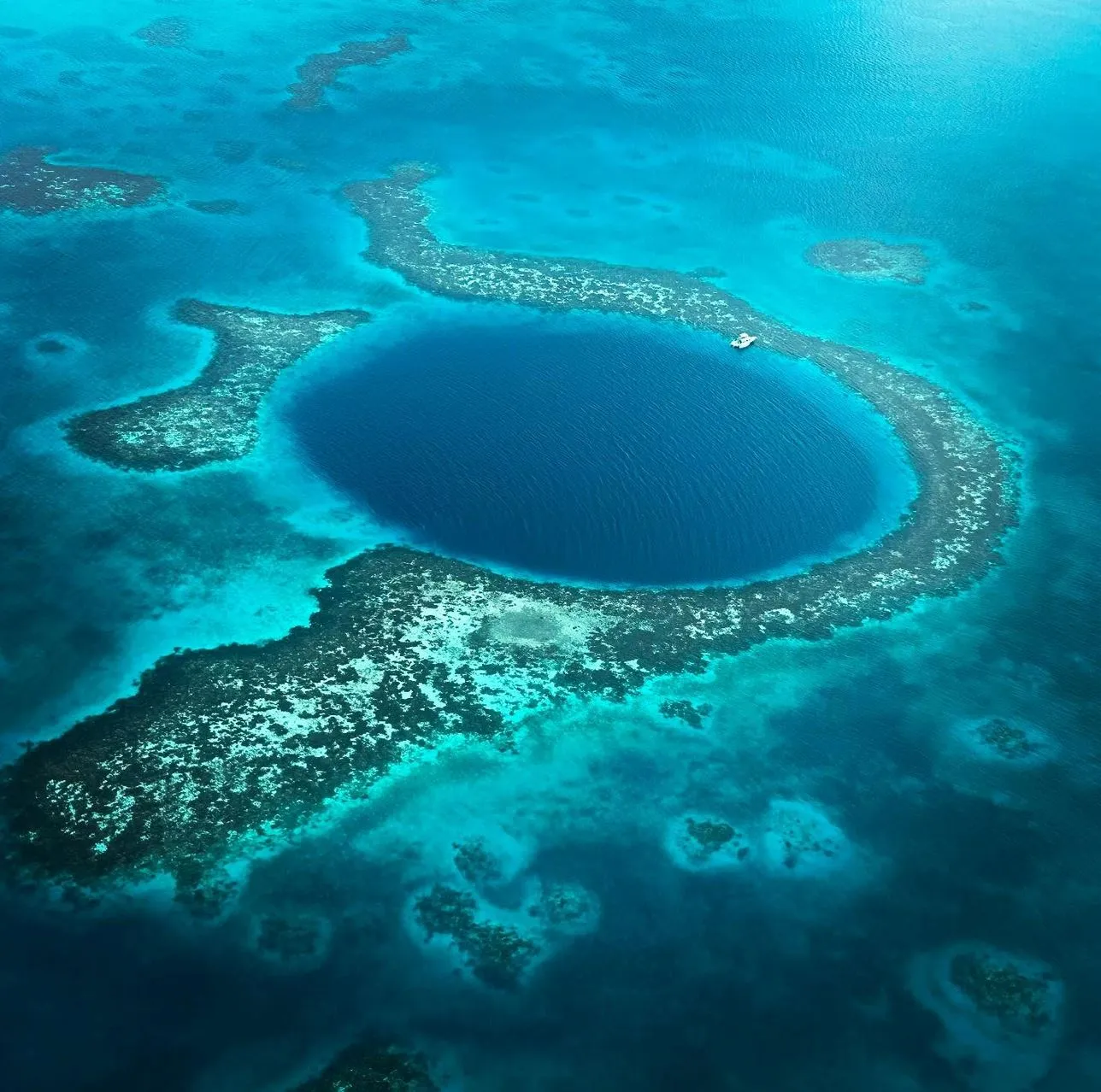
The Belize Barrier Reef Reserve System is the heart and soul of the Caribbean’s coral heritage. You’ll find gorgeous coral bommies, sprawling Staghorn Corals, thriving coral formations, and, of course, the world-famous Blue Hole, which plunges into a prehistoric deep-water wonderland.
This place is like a breeding ground for all sorts of marine species – from Caribbean reef fish, to nurse sharks, to marine turtles and the occasional cruising manta ray. If you’re an underwater photographer with a camera that can shoot high-res images of coral structures, it’s a paradise.
New Caledonia Barrier Reef (New Caledonia)
New Caledonia’s lagoon reef – another UNESCO World Heritage Site – is a big ol’ circle around the island in turquoise waters that look like they’ve been Photoshopped – until you see them in person. The coral formations here go on forever – long ridges of hard coral, deep channels and coral-atoll-style drop-offs that’ll attract everything from reef sharks to Green Sea Turtles.
Thanks to marine protected areas and conservation efforts, the fish population here is thriving.
Red Sea Coral Reefs (Middle East)
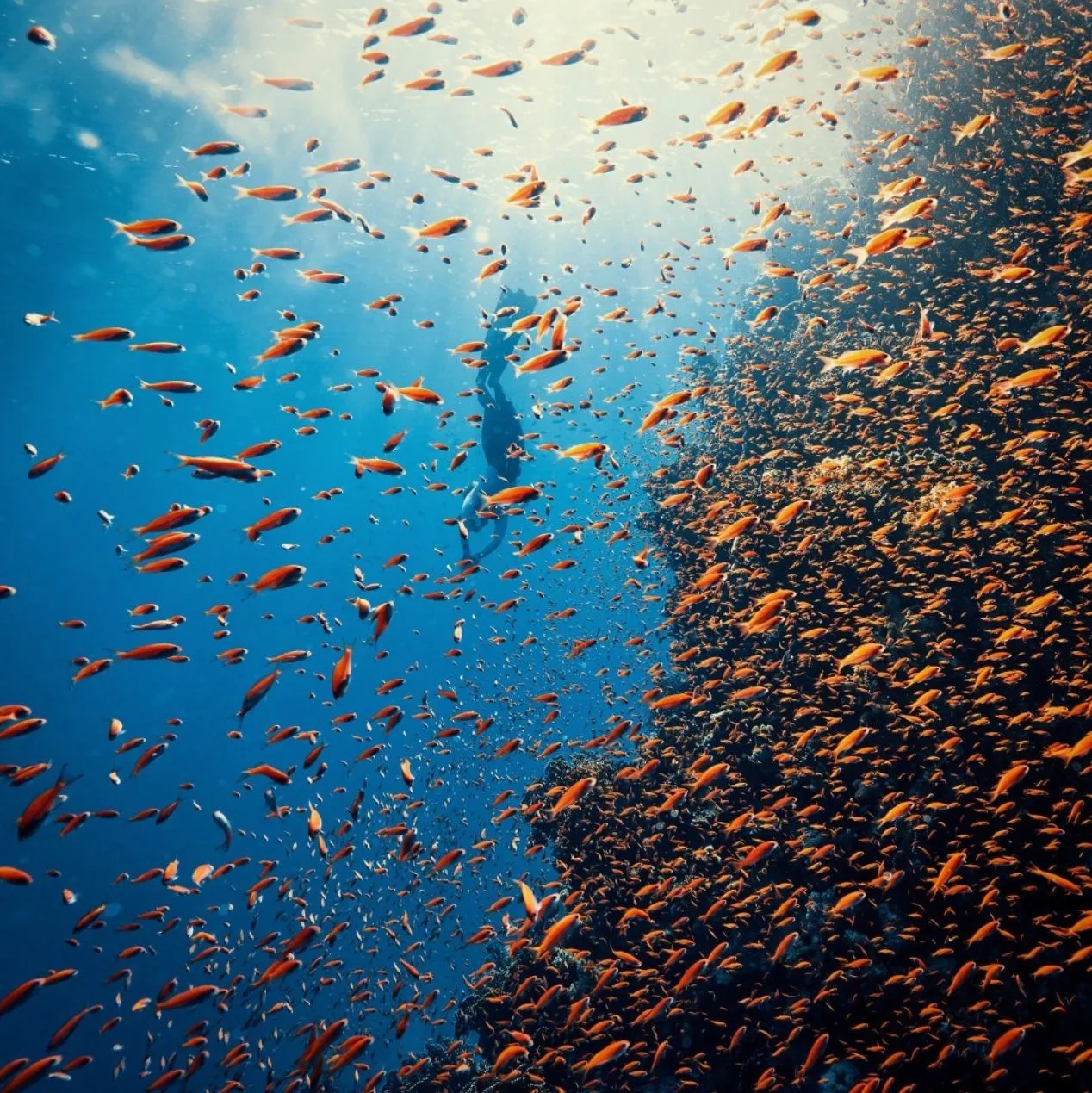
The Red Sea Coral Reef is renowned for its crystal-clear waters, which are among the clearest in the world. These coral reef systems are home to hard coral growth that’s strong as can be, thriving coral bommies and marine life so abundant a scuba diver barely knows where to point the camera.
Pelagic predators like Whitetip Reef Sharks cruise past coral tentacles, while schools of fish shimmer like someone’s been polishing them up overnight. The Red Sea is a global favourite for dramatic walls and underwater canyons like nothing you’ve ever seen before.
Raja Ampat Islands Coral Reefs (Indonesia)
Raja Ampat pretty much sits smack bang in the middle of the Coral Triangle, which is basically the world’s hotspot for marine life. And if you’re looking for the prettiest reef in the world, it’s the one place that’s sure to give the others a run for their money. With a mind-boggling 550+ coral species, not to mention Reef Manta Rays and coral bommies that seem to stretch up to the sky – so big that they almost make you feel like you’re part of the scenery – the place is just wild, remote, and utterly rewarding to visit.
You can expect to see some seriously dizzying species diversity around these parts, coral garden dive zones that look like they were plucked straight out of a dream, and then there’s the thrill of running into massive schools of fish that are so dense they almost block out the sunlight.
Tubbataha Reefs Natural Park (Philippines)
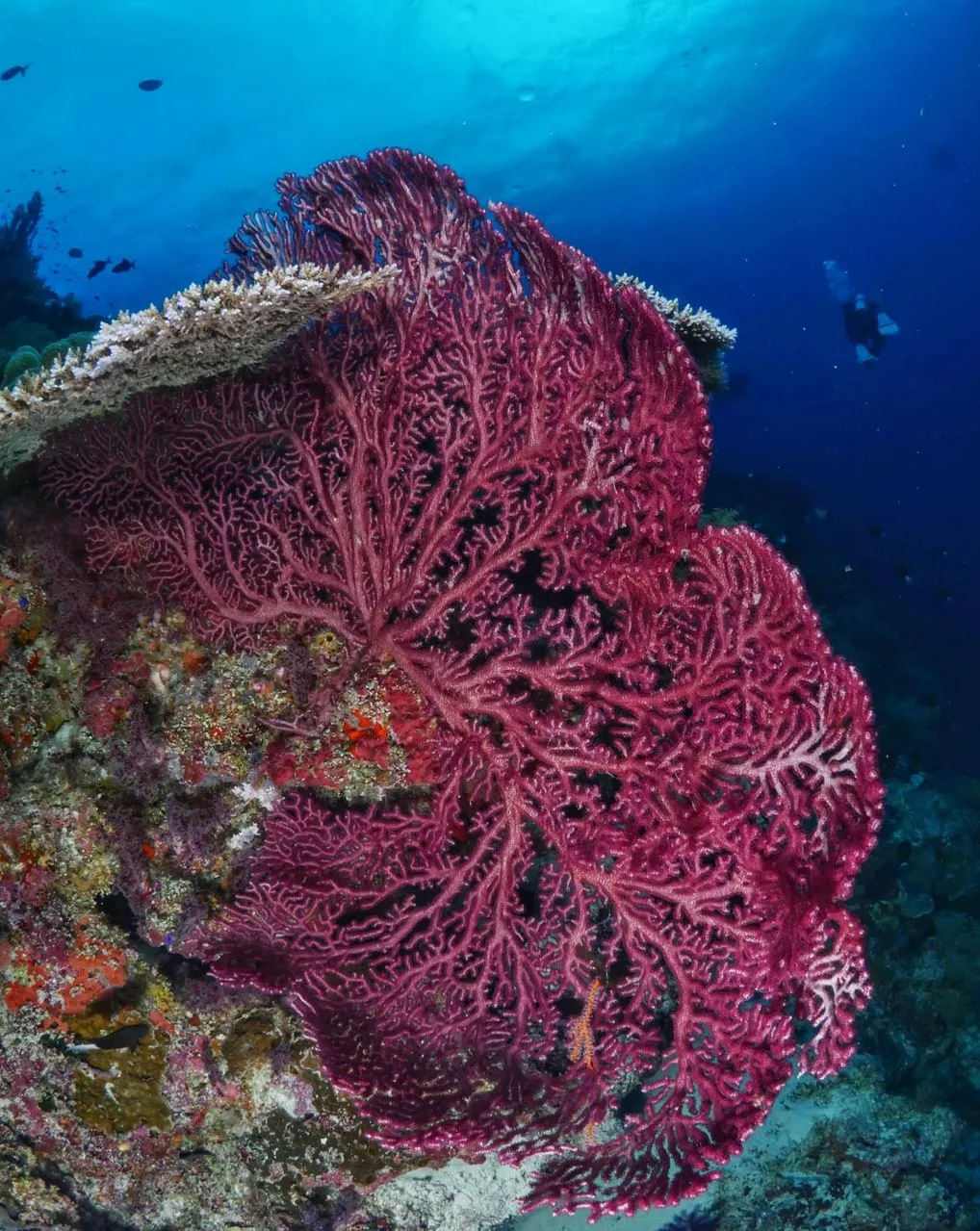
Tubbataha Reefs is – without a doubt – one of the toughest and most protected marine areas in the world – and you can just about feel that the moment you jump in the water. The coral formations are pristine. You’ll see Staghorn Corals that reach out like miniature forests, and the coral atolls create a perfect stage for marine wildlife such as sharks, Green Sea Turtles, and the occasional manta ray.
Just be aware that to get there you’re going to need a liveaboard – but trust us, every bruise you get from the bumpy boat ride is completely worth it.
Maldives Coral Reefs (Maldives)
The Maldives is (hugely) famous for its manta cleaning stations, its gorgeous soft coral gardens, its coral cays and turquoise lagoons lined with all sorts of tropical islands – the usual tropical paradise fare. That said, coral bleaching has hit some parts of the Maldives – but on the plus side, a lot of areas are actually doing pretty well thanks to some significant conservation and reef protection work.
If you’re after some seriously high-resolution images of manta rays in formation or Sea Turtles cruising through coral bommies, this is probably the place to go to get them.
Solomon Islands Reefs (Solomon Islands)
Now the Solomon Islands – these are just raw, remote, and teeming with life – with coral reef systems that are so far off the beaten track that they’ve barely been touched by tourism. Which, along with excellent local conservation efforts, means you can see a wide range of marine wildlife. Coral structures here seem to feel like they belong in a prehistoric landscape, and you can expect to run into pretty much every kind of aquatic species, from reef sharks to Hawksbill Turtles.
And if that’s not enough – add wreck diving to the mix, and you’ve got one of the Pacific’s best-kept coral reef secrets.
Elphinstone Reef (Egypt)
This classic dive site in the Red Sea is probably more famous for giving you a serious adrenaline rush than for its pretty coral gardens. After all, it’s the place to go for steep walls, intense water and encounters with Whitetip Reef Sharks and all sorts of other ocean-going predators. The coral atoll-style ridge here makes Elphinstone one of the region’s most dramatic dive sites.
If you like beauty that comes with a shot of adrenaline and maybe a few heart-pounding moments, then Elphinstone Reef is the place.
Table: Comparison Of Top Global Coral Regions
| Reef Region | Coral Species (Approx.) | Signature Features | Access Level |
|---|---|---|---|
| Great Barrier Reef | 600+ | Outer reefs, marine turtles, and hard coral diversity | Easy–Moderate |
| Raja Ampat | 550+ | Coral Triangle biodiversity, Reef Manta Rays | Hard |
| Belize Barrier Reef | 65+ hard coral | Blue Hole, Coral Cays | Easy |
| Maldives | 200+ | Manta rays, coral gardens | Easy |
| New Caledonia | 400+ | Giant lagoon, UNESCO World Heritage Site | Moderate |
| Tubbataha | 360+ | Strict marine protected area | Hard |
| Red Sea | ~300 | High visibility, deep walls | Easy |
| Solomon Islands | ~500 | Pristine coral structures, marine conservation | Moderate |
Picking the World’s Best Reef Experiences: Tips for Travellers
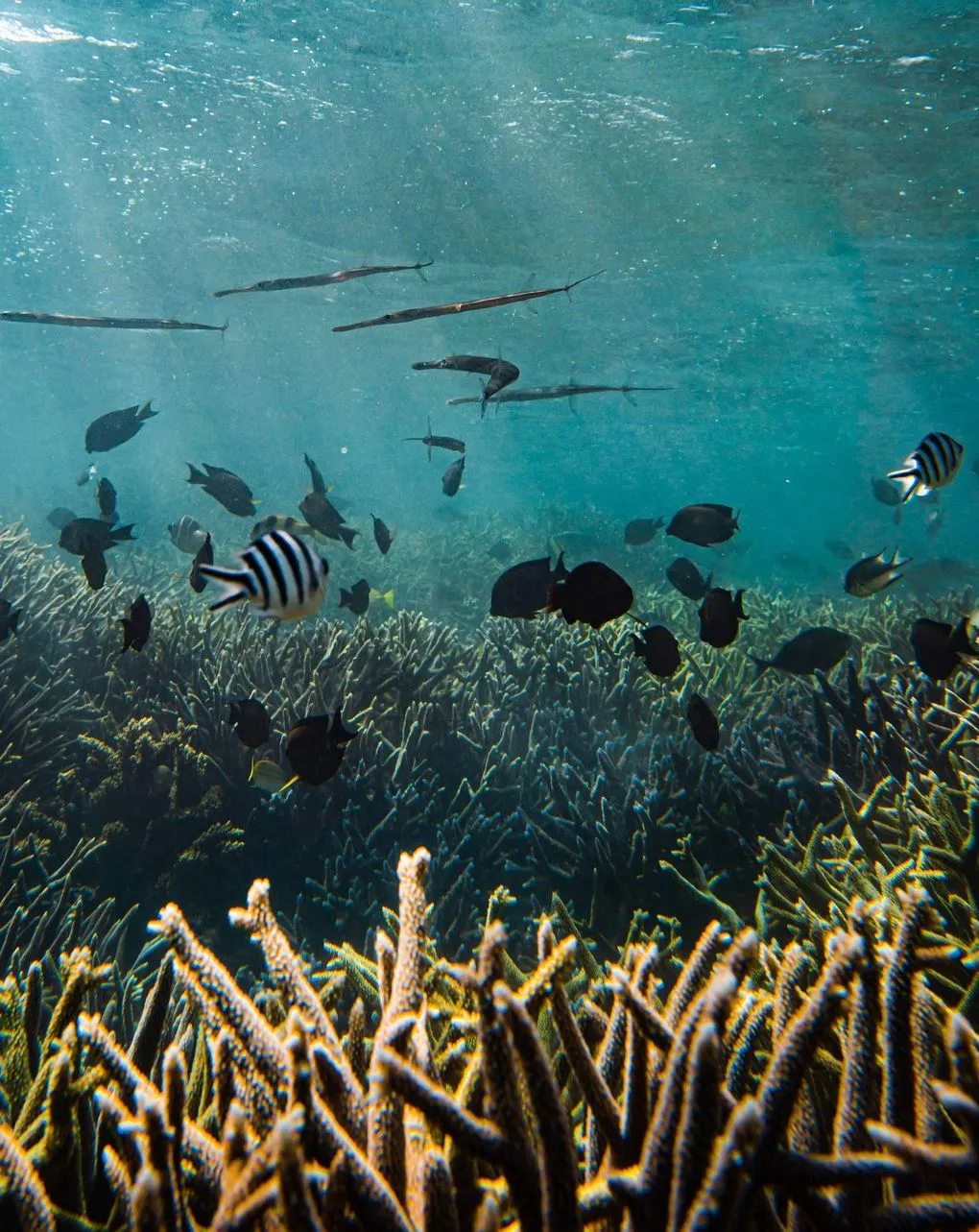
Finding the prettiest reef in the world is not just about choosing a destination – it’s about timing, being prepared for the sea, having the right gear, and knowing how to respect this delicate marine ecosystem without causing it any stress. Too many travellers underestimate how quickly things can change out on the water, which is why a bit of planning can turn what would otherwise be an ordinary reef day into something that’ll stay with you forever – and that’s something we keep reminding people every year on our dry season Great Barrier Reef Tour.
Get Your Timing Right
The wet season or a spell of bad weather can turn what was going to be a clear day into a visibility nightmare. So, keep an eye on the forecasts and get a handle on those reef conditions – especially if you’re heading to the outer reefs where conditions can change quicker than you’d think.
Respect The Reef & Protected Marine Areas
These underwater ecosystems are incredibly fragile, so do your part and follow some basic conservation efforts, listen to local dive operators who’ve been working these reefs for years, and for goodness’ sake, don’t even think about touching any of that coral – it’s not a petting zoo out there.
Pack Your Gear Wisely
- Underwater digital camera – ideally one that shoots high definition video to capture those stunning moments
- Good quality Lycra wetsuit to keep the stingers and sun at bay
- Reef-safe sunscreen (don’t be tempted by the cheap stuff that’s literally killing the reef)
- Dry bag to keep your gear dry
- An anti-fog mask to make sure you can see something other than your own lens
Know Your Stuff
If you’re new to scuba diving, start with something easy like Moore Reef or Heron Reef before tackling the more challenging drift-heavy sites like Raja Ampat or Tubbataha.
FAQ
Which reef has the most coral species?
Raja Ampat, within the Coral Triangle, has the record for the most coral species, with over 550, and that’s just one of the many reasons to visit this incredible place.
Is the Great Barrier Reef still healthy?
Well, it’s a mixed bag – large areas are still looking great, but coral bleaching is a problem in some places, and it’s thanks to conservation efforts that many reefs are recovering well.
What reef is best for manta rays?
If you’re on the hunt for some of the world’s best Manta Ray encounters, then look no further than the Maldives and Raja Ampat – both are real leaders when it comes to spotting these incredible creatures in their natural habitat.
Can beginners snorkel safely on these reefs?
Yes, most definitely – mainly if you stick to places like Green Island, Moore Reef and Belize’s shallow coral cays.
What’s the biggest threat to coral reefs?
Unfortunately, the list is long – but if you had to pick the top threats, it’d be Climate Change, warming oceans, pollution and the physical damage to those beautiful coral structures – the ones that make the reef look so stunning.