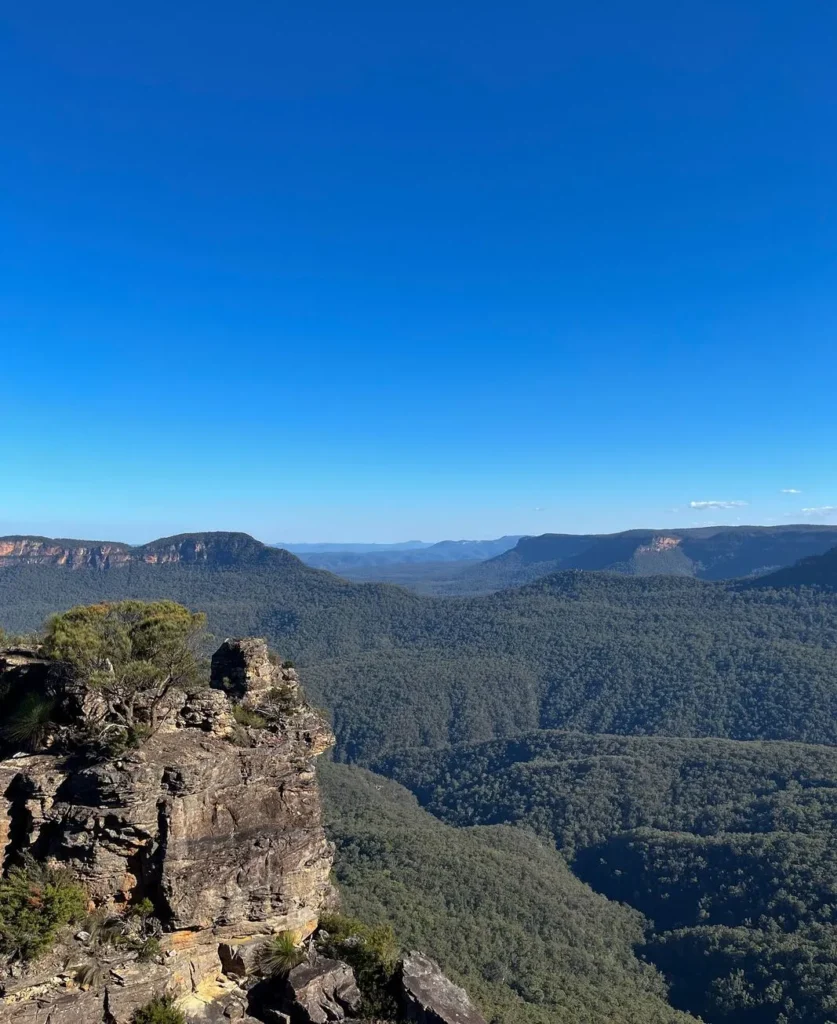
Best Drone Photography Spots & Rules in the Blue Mountains – it’s something that’s been bugging me – people keep asking about it. And now I’ve got a lot to say about it, thanks to the Blue Mountains‘ plunging valleys, sandstone cliffs & endless gum tree canopy—a perfect playground for aerial photography & videography. But getting that perfect shot – it’s a lot more complicated than just taking off from the nearest lookout. With all the photography restrictions, flight permits and dodgy weather to deal with, you’ve got to know the ins & outs or you could be in trouble.
Over the years, I’ve been having a crack at guiding groups through these ranges and watching as people try to sneak in a quick drone photography flight at Echo Point or the Three Sisters. Some of them manage it – but many more get it completely wrong. So it’s time to talk about some real-world drone spots, the legal basics you can’t ignore and a few tricks I’ve picked up along the way.
If you’re planning on coming up here for the day on a Blue Mountains Tour, then dragging your drone gear along might just be the best idea – there’s heaps to capture if you follow the rules.
Knowing Where You Can (and Can’t) Break Out the Drone
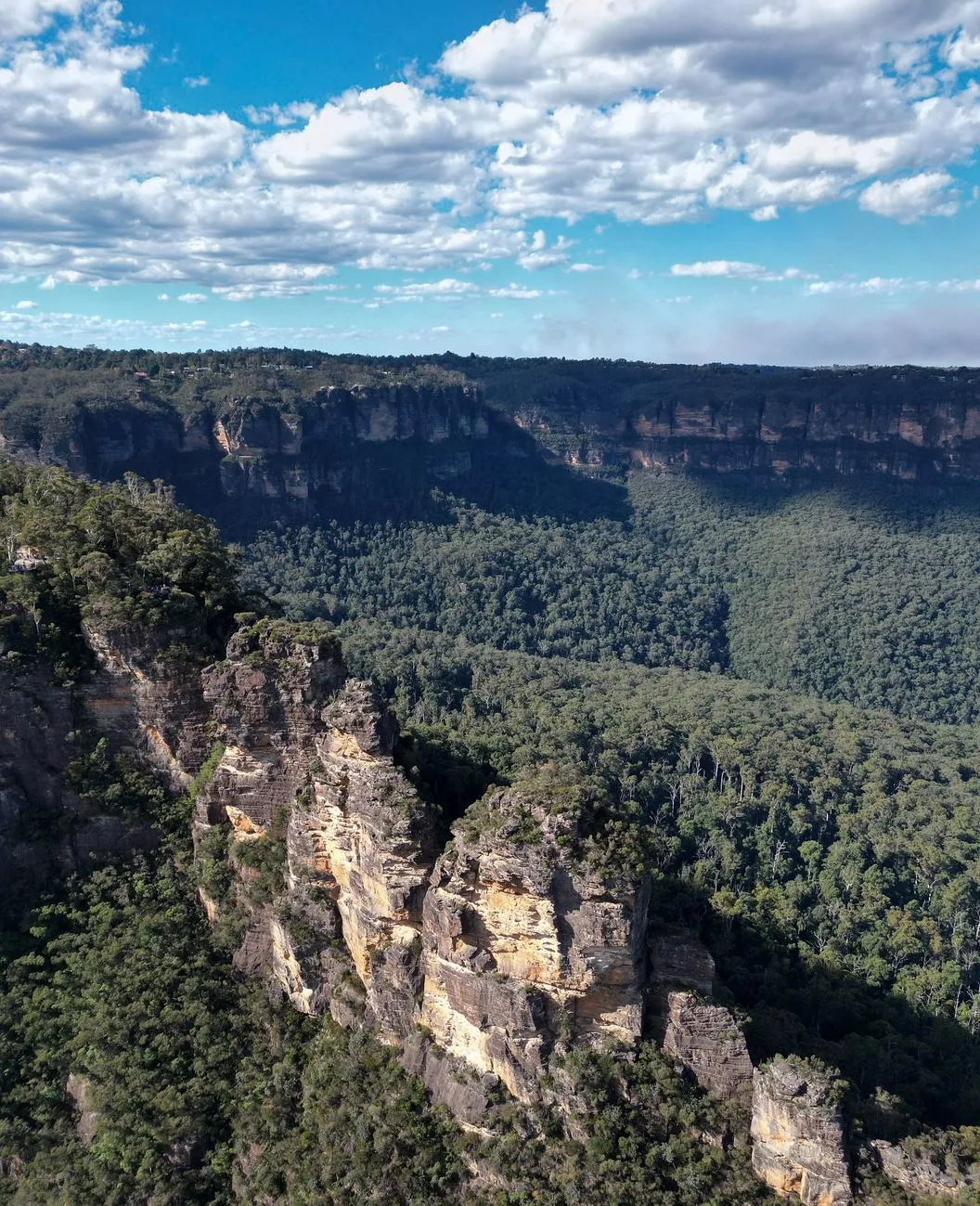
You might be thinking, “It’s a national park, what’s the big deal?” But sadly, the truth is that Blue Mountains National Park and drones don’t always mix. The NSW National Parks & Wildlife Service has some pretty strict rules about flying unmanned aircraft – and for good reason. Flying over the place can scare off wildlife like lyrebirds & gliders, and the last thing you want is your drone buzzing over some poor bloke’s proposal at Wentworth Falls.
The short version is: you can’t fly your drone around most of the Blue Mountains National Park without a permit. That covers some of the big-name spots like:
- Three Sisters Lookout (Echo Point, Katoomba)
- Wentworth Falls Track
- Govetts Leap Lookout
- Pulpit Rock Lookout
- Sublime Point, Leura
But the good news is there are still places you can take off from outside the park boundaries – and that’s where local knowledge really comes in handy. There are a few spots that just about skirt the edge of the parkland and give you a chance at some fantastic aerial perspectives – all within the rules, of course.
If you’re coming up on a Blue Mountains Tour, just make sure to check with your guide first – some tours even include photo stops that are perfect for a quick drone flight.
Top Legal Take-Off Points
| Location | Type | Coordinates | Notes |
|---|---|---|---|
| Mount Blackheath | Free Flight Launch Zone | -33.6, 150.2 | Official hang-glider spot; excellent western escarpment views. |
| Narrow Neck Plateau (outside NP boundary) | Fire Trail Access | -33.7, 150.3 | Great sunrise shots; check local fire restrictions. |
| Perry’s Lookdown Camping Area (edge of NP) | Campground Launch | -33.6, 150.4 | NPWS managed — check permit requirements. |
| Hassan’s Walls, Lithgow | Council Land | -33.5, 150.1 | Panoramic valley shots; clear of NP rules. |
| Mount Tomah Botanic Garden | NSW Botanic Gardens | -33.55, 150.38 | Drone use is allowed with advance permission. |
These aren’t random GPS drops — I’ve tested myself or confirmed through local operators. Always check the CASA “Can I Fly There?” app before you go.
Drone Rules in NSW
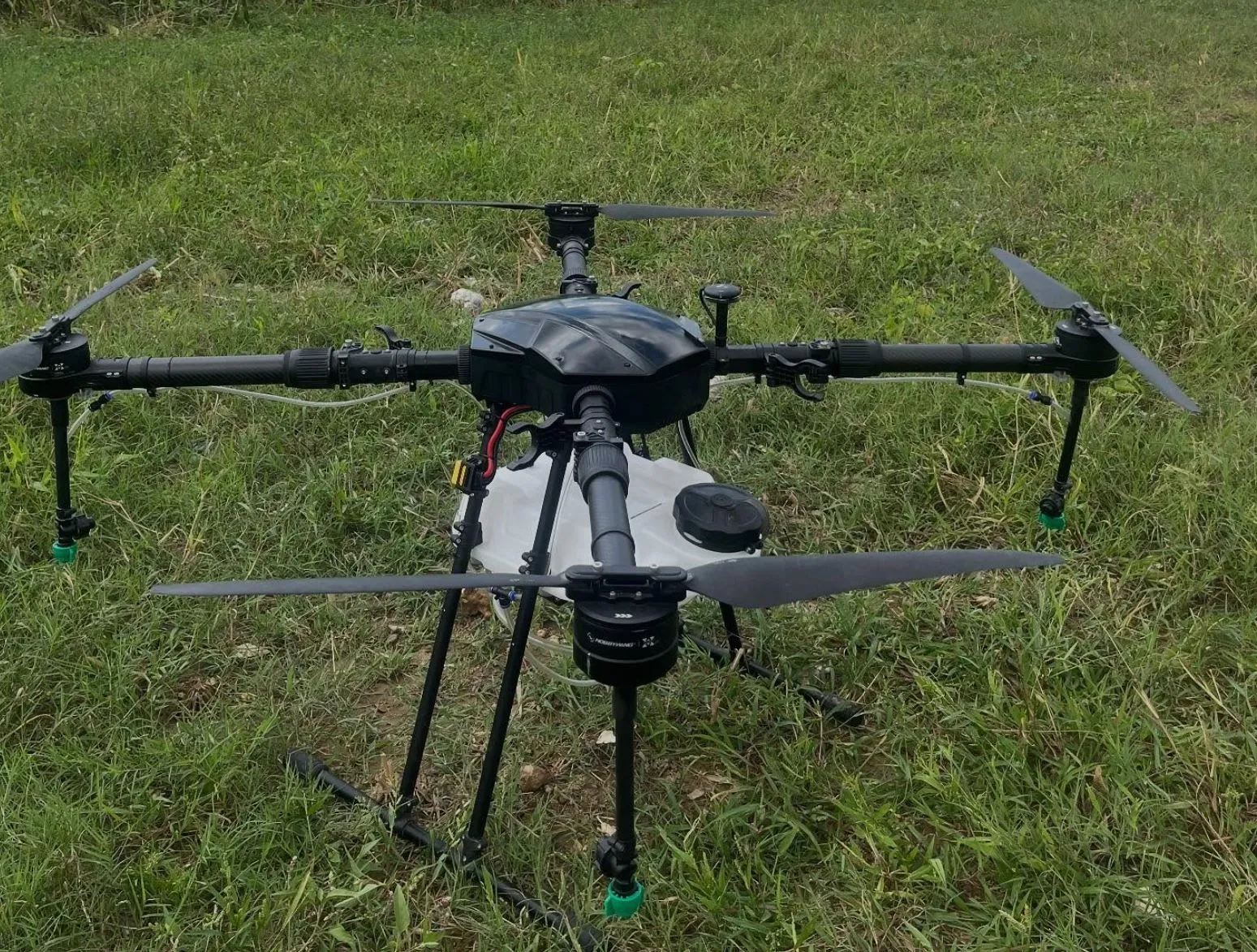
Flying a drone in Australia is regulated by CASA, and applies whether you’re shooting weddings or chasing mist through the valleys. The basics are simple, but I’ll translate the jargon so you can use it.
CASA’s Recreational Drone Rules:
- Keep your drone in sight at all times.
- Don’t fly above 120 metres.
- Stay 30 metres away from people not involved in your flight.
- Don’t fly over or near emergency operations, including bushfire zones.
- Avoid controlled airspace — parts of the Blue Mountains are under Sydney’s air traffic control.
If you’re doing commercial filming, you’ll need a ReOC licence and possibly a permit from NPWS or the local council. The good news is that many lookouts and rural edges are open game — just use common sense and respect the locals.
Some 1 Day Blue Mountains Tour packages even include optional drone photography sessions for keen travellers.
Local Etiquette: Flying With Respect
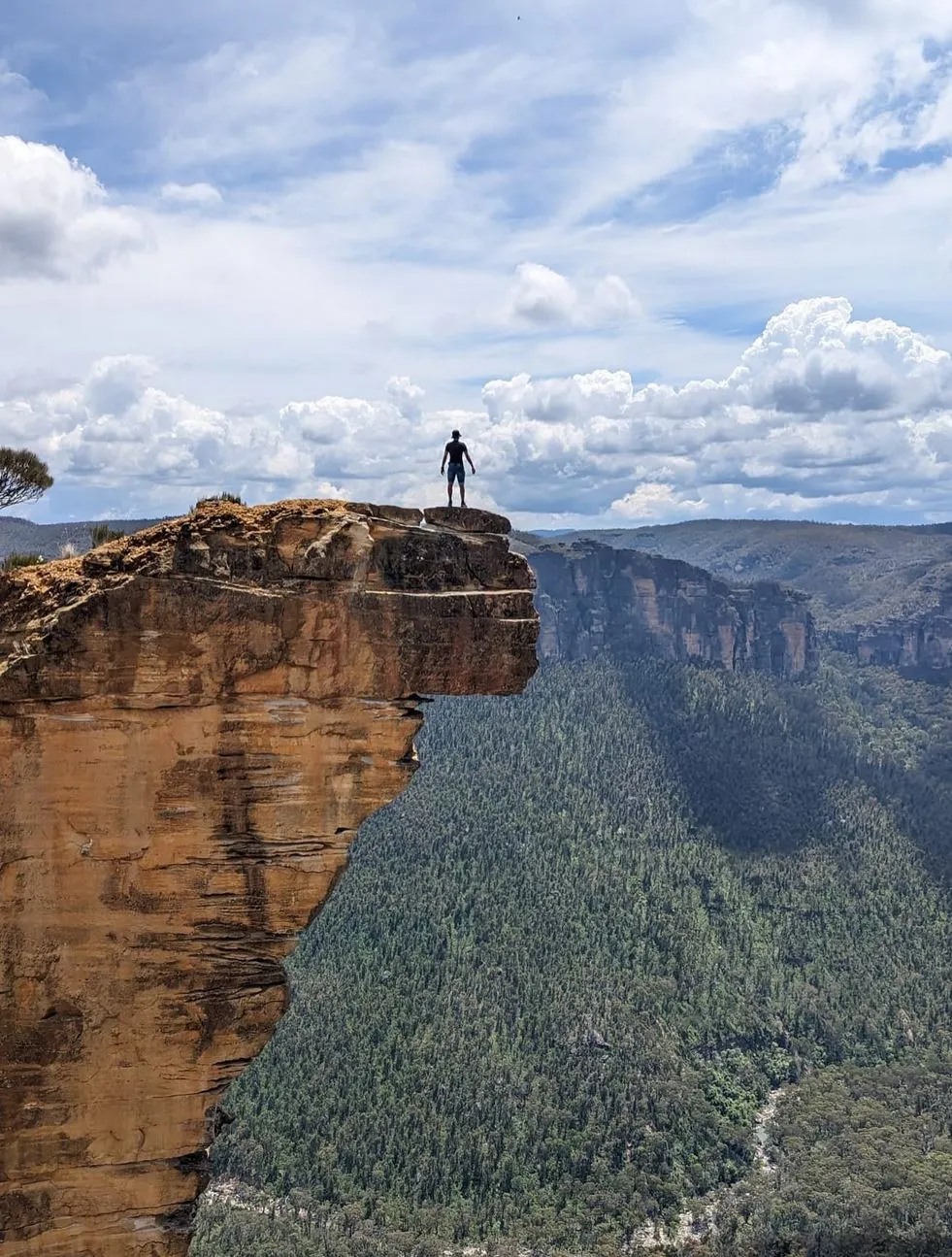
Just because you can fly doesn’t mean you should. The Blue Mountains are home to small villages, walking tracks and sacred Aboriginal sites, so being croc-wise here means being Country-wise.
A few unwritten rules I follow every time:
- Don’t fly near sacred or culturally sensitive areas. The Gundungurra and Darug Traditional Owners have strong connections to Country here — check the signs.
- Avoid dawn flights near residential areas. Locals love the quiet; early morning noise complaints can shut down access for everyone.
- Respect wildlife breeding seasons. In spring, nesting birds (especially wedge-tailed eagles) will attack drones. I’ve seen one dive-bomb a Phantom near Blackheath — it didn’t end well for the drone.
When in doubt, keep your drone on the ground and enjoy the view with your own eyes.
If you’re on a Blue Mountains Tour, your guide can point out where you can fly and where you can’t.
Paul’s Field-Tested Photo Tips
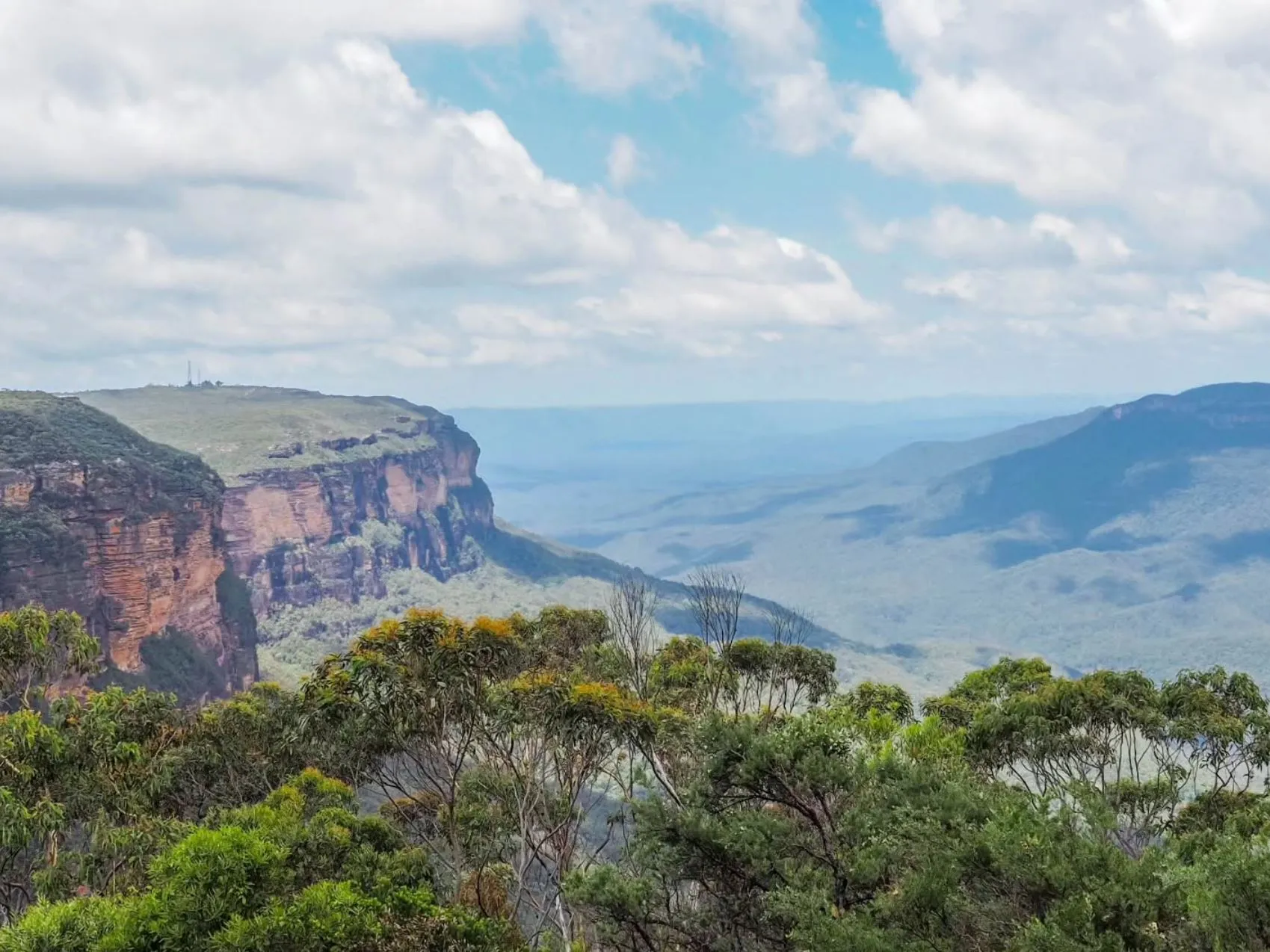
I’ve spent years figuring out what works and what doesn’t when it comes to aerial photography – after a few dodgy landings, I’ve picked up some tricks of the trade that will take your photos from average to spectacular.
- Chase Those Morning Misty Moments
Those iconic valley inversions where fog wraps itself around the cliffs – you know the ones – usually happen after a still night when the temps have dropped. Winter and early spring are probably your best times to try and get that dreamy, misty look. Get up and get to Mount Blackheath or Narrow Neck before the sun comes up – that’s where you’ll find the cotton wool blanket that photographers go crazy over. - Watch Out For Wind and Lithium Drainage
You can bet your last dollar there’ll be some pretty gusty conditions up in the Blue Mountains, even if the wind is only a light breeze at ground level – just think what it’s like at treetop level. Don’t forget your batteries will drain faster in the cold, either. Plan your flight window carefully, because if your drone starts getting all upset in the wind, land right away – I’ve had two drones get blown out near Evans Lookout myself. - Filters and Telephoto Lenses Are Your Friends
Sunlight reflecting off the cliffs is going to blow out all the highlights in your shots – it’s just a fact. But that’s where CPL (circular polarising) filters come in. They sort out the contrast and make for some much more balanced photos, while a good telephoto lens helps frame up all those stunning ridgelines or waterfalls that are calling your name. And if you’re using a Four-Thirds camera set-up, you should be getting cleaner shots even in mixed lighting conditions. - Don’t Rely Too Heavily On Your Aerial Sensors
Now I know it’s tempting to lean on those fancy obstacle sensors when you’re flying through trees or near cliffs, but don’t get too complacent – they’ll help you avoid scraps, but nothing beats your own two eyes. Keep an eye on the situation yourself – you never know what’s lurking just out of sight - Pack Right and Plan Ahead
Don’t get caught out with the wrong gear – hike up with a lightweight backpack and a padded bag for your drone. Make sure you bring spare propellers – they tend to snap in the cold, and you’ll be glad you did. Also, keep an eye on parking – some trailheads are pretty tight and have all sorts of rules about time limits and the like.
If you’re joining one of those 1-day Blue Mountains Tours, then this is exactly the kit to bring with you. Their stops are usually just a perfect place to plan a short but sweet flight to get some of those incredible aerial shots.
Seasonal Notes & Weather Hazards
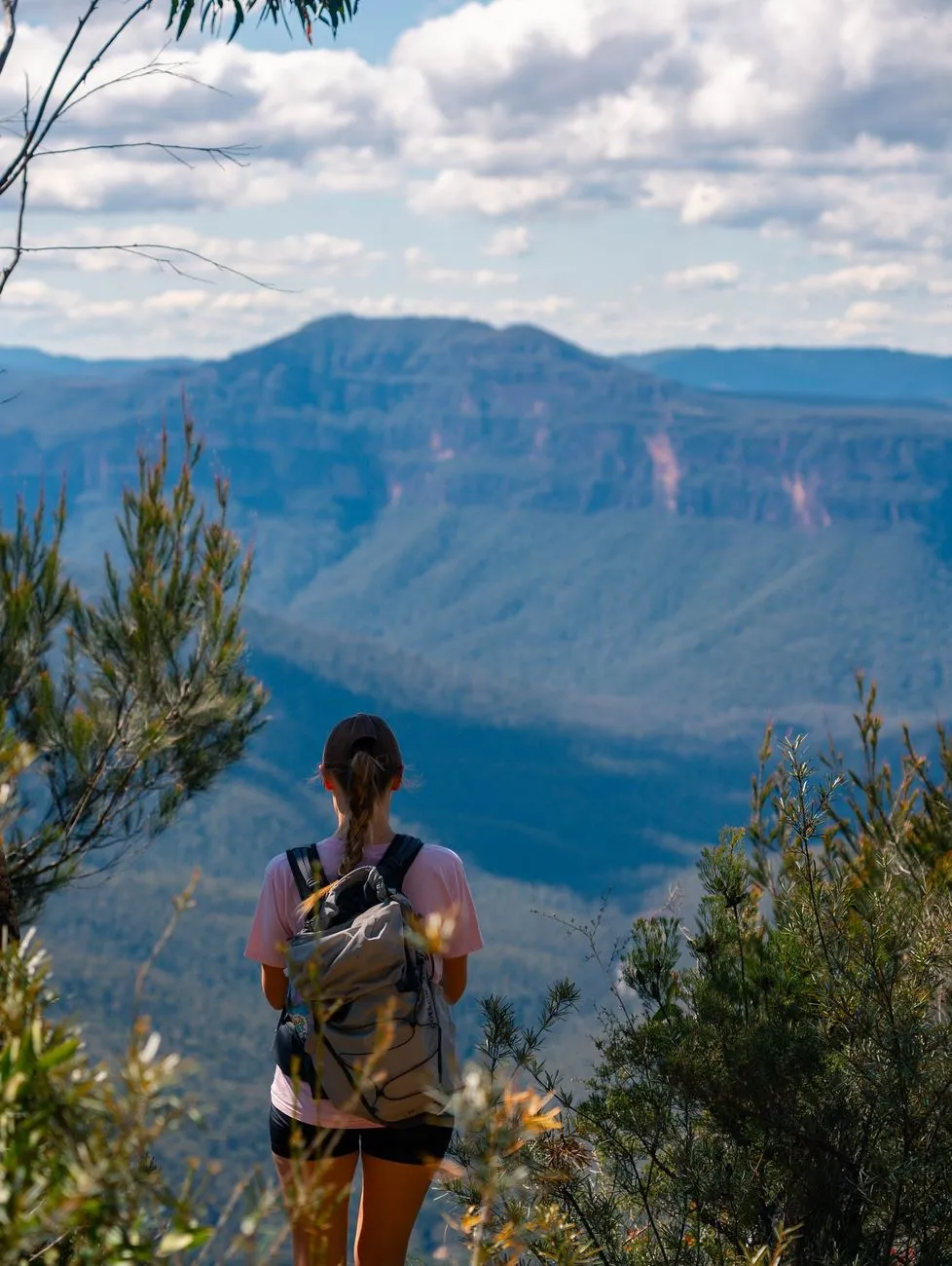
The Blue Mountains can do a complete turnaround from fog and drizzle to fire bans in no more than a few hours. Make sure to check the latest forecast from the Bureau of Meteorology and any local park alerts before you leave home.
| Season | Conditions | Best For | Hazards |
|---|---|---|---|
| Autumn (Mar–May) | Crisp air, soft light | Waterfalls & valleys | Early cold snaps |
| Winter (Jun–Aug) | Fog inversions | Misty valley shots | Icy tracks, strong winds |
| Spring (Sep–Nov) | Wildflowers & clear skies | Ridge shots | Bird nesting attacks |
| Summer (Dec–Feb) | Harsh light, storms | Sunrise missions | Fire bans, heat haze |
Even CASA says not to fly in winds over 20 km/h — which is most afternoons out here.
Quick Checklist Before You Launch
- Check the CASA “Can I Fly There?” app
- Confirm you’re outside NPWS restricted zones
- Check weather, wind, and flight time limits
- Don’t fly before 7 am near homes
- Carry spare SD cards and propellers
- Respect wildlife and cultural boundaries
- Log your flight if using commercial equipment
How Drone Tourism Impacts the Region
Drone tourism is booming — according to Tourism Research Australia, over 27% of travellers under 35 use drones on domestic trips. The Blue Mountains get over 4 million visitors a year, so even a small percentage of drone flyers adds up. That’s why there are regulations — not to ruin the fun, but to keep the peace between photographers, locals and the environment.
As operators like Get Lost Travel Group adapt to the trend, we’re seeing more curated experiences that include scenic flights and drone-friendly zones in itineraries — like private lookouts or rural properties outside the park. It’s the future of ethical aerial photography.
Join a Blue Mountains Tour that includes professional photography guidance, and you can have adventure and learning combined — and maybe pick up a few new tricks along the way.
Final Takeaway
The Blue Mountains look like a drone paradise, but it’s a patchwork of permissions, weather quirks and local sensitivities. Once you know where you can fly — and why the rules exist — you’ll find it’s still one of the most rewarding places in Australia to fly from.
So pack your drone, plan ahead and fly smart. And if you’re ever unsure where to launch, get in touch — we run small group trips through the region that include drone-friendly stops and local guidance.
Got your own favourite launch spot or a near-miss story from the cliffs? Drop it in the comments — I’m always updating my field notes.
— Paul Beames
FAQ
Do I Need a Permit to Fly a Drone in the Blue Mountains?
Yes — if you’re flying in Blue Mountains National Park, you’ll need a permit from NPWS. Recreational flights in council areas like Lithgow or Mount Victoria are usually okay, but always check the CASA app for local airspace rules.
Can I Fly at the Three Sisters?
No. Echo Point and the Three Sisters are in a national park, and recreational drone use is banned. It’s one of the most visited lookouts in NSW, and NPWS strictly enforces the rule.
Are There Drone-Friendly Tours in the Area?
Yes. A few local operators (including us at Get Lost Travel Group) offer guided photography tours that include legal flight zones and permit assistance. It saves a lot of guesswork — and fines.
What Happens If I Break the Rules?
CASA can fine you up to $15,000 for reckless or illegal flights, especially near people or aircraft. NPWS rangers can also fine you under park regulations.
What’s the Best Time of Day to Fly?
Early morning or late afternoon — the golden hours — give the best light and calmest air. Midday sun tends to flatten out shadows and create glare off sandstone cliffs.